Trump Claims the US Captured Maduro in Strike on Venezuela – What It Means for Oil Markets
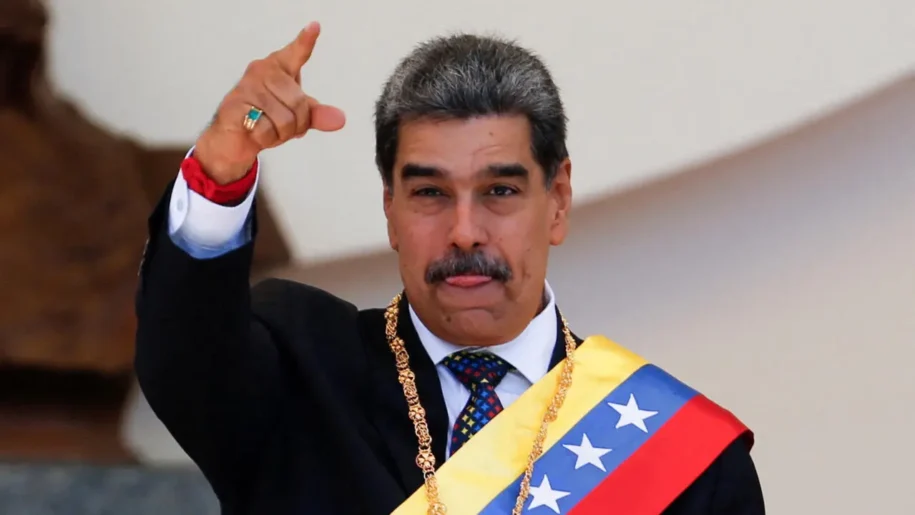
Global oil markets are on alert after unverified claims that the United States carried out strikes in Venezuela and that President Nicolas Maduro and his wife were allegedly captured and removed from the country.
The situation was announced through Trump’s Truth Social profile and now traders are already assessing the potential fallout for energy markets.
- The USA allegedly launched strikes in Venezuela, and Maduro and his wife were allegedly captured and flown out of the country.
- Caracas reported explosions and declared a state of emergency, calling it a US “military aggression.”
- Oil prices could jump on fear of supply disruption, even before any confirmed damage.
Venezuela is home to the world’s largest proven oil reserves, and even though its production has been heavily constrained by years of sanctions and underinvestment, any threat to its oil system immediately carries global implications. Reports of explosions in Caracas, the declaration of a nationwide state of emergency, and the mobilisation of military and civilian forces raise the risk of operational disruptions at ports, pipelines, and production sites tied to state oil company PDVSA.
For oil markets, perception matters as much as reality. Even without confirmed damage, the possibility of export interruptions or internal instability is enough to inject a geopolitical risk premium into prices. Heavy crude supply is already tight globally, and Venezuelan barrels – especially those moving indirectly to Asia or previously flowing toward US refiners – are difficult to replace quickly.
In the near term, this kind of headline risk is typically bullish for crude prices. Brent would likely react first, reflecting global supply concerns, while WTI could also rise if traders fear renewed disruption to Western Hemisphere supply chains. Volatility would likely spike as markets react to every new statement, denial, or confirmation from Washington and Caracas.
The escalation risk is what markets will be watching most closely. Venezuela’s pledge to seek international condemnation through the UN, CELAC, and other blocs increases uncertainty around sanctions, shipping insurance, and future enforcement actions. If the crisis widens diplomatically or militarily, traders may begin pricing in broader supply risks beyond Venezuela alone.
From an OPEC+ perspective, any sudden loss of Venezuelan output would quietly support higher prices. With the group already managing supply carefully, there would be little urgency to offset unexpected disruptions, allowing crude prices to remain elevated if tensions persist.
Until there is official confirmation or denial from US defense officials, oil markets are likely to treat this as a high-impact geopolitical flashpoint. The immediate takeaway is not confirmed supply loss, but rising uncertainty – a condition that historically pushes oil prices higher, increases volatility, and keeps markets extremely sensitive to headlines.
The information provided in this article is for educational purposes only and does not constitute financial, investment, or trading advice. Coindoo.com does not endorse or recommend any specific investment strategy or cryptocurrency. Always conduct your own research and consult with a licensed financial advisor before making any investment decisions.



Alexander Zdravkov is a person who always looks for the logic behind things. He has more than 3 years of experience in the crypto space, where he skillfully identifies new trends in the world of digital currencies. Whether providing in-depth analysis or daily reports on all topics, his deep understanding and enthusiasm for what he does make him a valuable member of the team.