Samourai Wallet Case Tests Trump’s Stance on Crypto and State Power
A single remark from the Oval Office has reopened one of the most contentious debates in crypto: where the line sits between privacy tools and criminal liability.
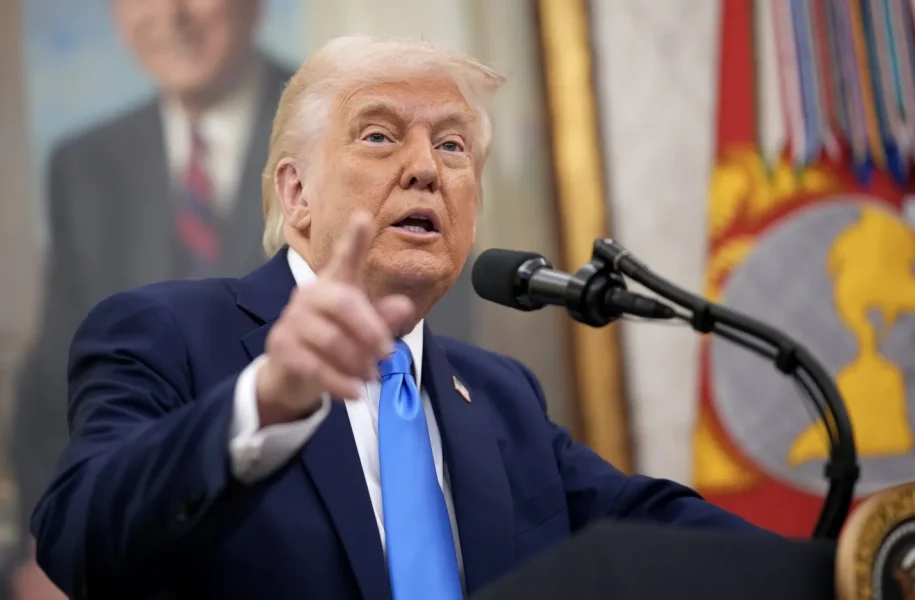
When President Donald Trump said he would “take a look” at the Samourai Wallet case, the comment was brief and unscripted, but its implications extended far beyond the room.
Key Takeaways
- Trump’s comment elevated the Samourai Wallet case from a legal issue to a political one.
- The case has become a flashpoint in the debate over crypto privacy and developer liability.
- No decision has been made, but the signal suggests a possible shift in U.S. crypto enforcement tone.
The Samourai Wallet prosecution has long existed in a gray zone between software development and criminal enforcement. The project focused on Bitcoin privacy, offering tools that obscured transaction trails. While prosecutors viewed this as enabling illicit activity, supporters argued that Samourai provided neutral infrastructure rather than intent.
Keonne Rodriguez, one of the project’s co-founders, became a focal point in that dispute. His conviction transformed the case into a broader symbol for critics of how crypto privacy tools were treated during the previous administration.
Trump’s Comment Signals a Shift in Tone
Trump’s acknowledgment of the case places it within a wider political context. Since returning to office, he has repeatedly criticized what he describes as an overly aggressive approach to crypto regulation under the Biden administration. In that framing, enforcement actions are no longer just legal decisions but reflections of policy ideology.
By asking Attorney General Pam Bondi to review the matter, Trump introduced uncertainty into a case that many assumed was settled. While no promise was made, the signal itself matters – particularly with Rodriguez just days away from entering federal prison.
Privacy, Code, and Responsibility
At the core of the debate is a question the crypto industry has grappled with for years: should developers be held responsible for how users employ open-source tools? For privacy advocates, the Samourai case represents a dangerous precedent where writing code becomes synonymous with committing a crime.

That concern has grown louder following Trump’s earlier pardon of Ross Ulbricht. That decision reframed past crypto-related prosecutions as products of a different regulatory era, encouraging renewed calls for clemency in other cases involving mixers and privacy software.
What the Case Now Represents
Rodriguez responded publicly after Trump’s remarks, saying attention from the president had always been the hardest barrier to overcome. He portrayed his prosecution as part of a broader pattern rather than an isolated incident, thanking the community that has pushed for reconsideration.
Whether a pardon ultimately follows remains unclear. What is evident, however, is that crypto enforcement has entered a new phase – one where political narratives, not just statutes, influence outcomes.
In that sense, the Samourai Wallet case may matter less for its final verdict than for what it signals: privacy, developer liability, and crypto regulation are no longer confined to courtrooms. They are now firmly embedded in national policy debate.
The information provided in this article is for educational purposes only and does not constitute financial, investment, or trading advice. Coindoo.com does not endorse or recommend any specific investment strategy or cryptocurrency. Always conduct your own research and consult with a licensed financial advisor before making any investment decisions.



Alexander Zdravkov is a person who always looks for the logic behind things. He has more than 3 years of experience in the crypto space, where he skillfully identifies new trends in the world of digital currencies. Whether providing in-depth analysis or daily reports on all topics, his deep understanding and enthusiasm for what he does make him a valuable member of the team.