Russia Approves National Real-World Asset Tokenization Framework
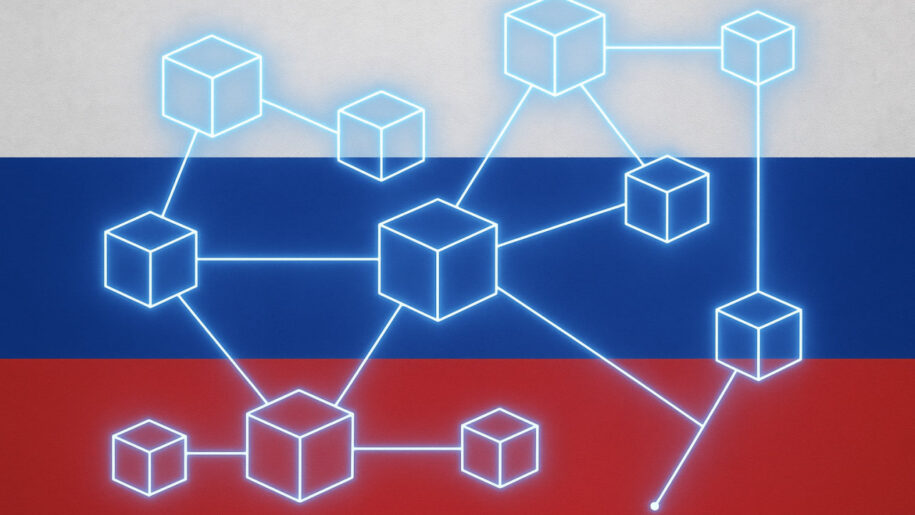
Russia has formally approved a nationwide concept for tokenizing real-sector assets, marking one of the most comprehensive state-led digital asset initiatives to date.
- Russia approved a national framework to tokenize real-sector assets.
- Pilots will cover property rights, IP rights, securities, and LLC shares.
- The goal is higher liquidity, lower costs, and broader investor access.
- The move supports modernization of domestic capital markets.
The framework was developed by the Ministry of Finance in coordination with federal executive authorities and the Bank of Russia, and has now received government backing. Implementation work is already underway.
The initiative aims to embed distributed ledger technology into the country’s financial architecture, with a focus on boosting the investment appeal and liquidity of traditional assets. By lowering transaction costs and reducing entry barriers, officials expect to attract a broader base of private investors while improving the quality of secured lending portfolios across financial institutions.
Pilot Phase to Target Property and Intellectual Rights
In the first stage, authorities plan to test tokenization mechanisms for property rights and exclusive intellectual property rights – specifically those that do not require state registration for transactions. This is a strategic starting point, as it avoids immediate legal friction while allowing regulators to experiment within a controlled perimeter.
Another major focus area includes the tokenization of documentary securities and ownership stakes in limited liability companies. If implemented effectively, this would bring traditionally illiquid or administratively complex assets onto blockchain-based rails, potentially transforming how private equity-style investments function in the domestic market.
Strategic Interpretation: More Than Just Innovation
While the language of the document emphasizes innovation, liquidity, and modernization, the broader implications are strategic. By creating a domestic tokenization infrastructure under state supervision, Russia appears to be building a parallel capital formation channel that is technologically advanced yet sovereign-controlled.

Tokenization can reduce reliance on traditional financial intermediaries, automate transaction execution, and lower operational risks. The government explicitly notes that blockchain systems could replace certain intermediary functions, streamline order execution, and reduce human error. This signals a shift toward programmable finance within a regulated national framework.
At a macro level, the initiative may also serve three wider objectives:
- First, diversification of investment instruments. New asset classes and token-based investment products could emerge, expanding domestic capital markets at a time when access to global capital remains constrained.
- Second, enhanced liquidity in traditionally rigid asset categories. By fractionalizing ownership and enabling peer-to-peer transfers, tokenization could unlock capital currently tied up in private or semi-private holdings.
- Third, technological sovereignty. Developing a state-aligned tokenization system positions Russia to integrate digital asset infrastructure without depending on Western financial plumbing.
If executed successfully, the concept would establish a competitive system for tokenized ownership rights across the real sector. The emphasis on automation, cost efficiency, and broader retail access suggests that the government sees tokenization not merely as a fintech experiment, but as a structural upgrade to its financial system.
The next phase will be critical. Pilot results will determine whether tokenized property and securities remain a niche regulatory sandbox or evolve into a central pillar of Russia’s capital markets modernization strategy.
The information provided in this article is for educational purposes only and does not constitute financial, investment, or trading advice. Coindoo.com does not endorse or recommend any specific investment strategy or cryptocurrency. Always conduct your own research and consult with a licensed financial advisor before making any investment decisions.



Kosta joined the team in 2021 and quickly established himself with his thirst for knowledge, incredible dedication, and analytical thinking. He not only covers a wide range of current topics, but also writes excellent reviews, PR articles, and educational materials. His articles are also quoted by other news agencies.