Record Hashrate and Falling Revenue Push Bitcoin Miners to the Edge

For months, Bitcoin miners have been preparing for leaner conditions — but few expected the pressure to intensify this quickly.
Key Takeaways
- Bitcoin miners are facing their weakest profitability on record as hashrate climbs and revenue drops.
- Rising financing costs and extended ASIC payback periods are pushing many operators toward breakeven territory.
- Mining stocks jumped only after JPMorgan raised price targets, not because mining economics improved.
What looked like a healthy industry heading into Q4 has now flipped into one of the most fragile periods in Bitcoin mining history.The problem isn’t just weak prices. It’s that the cost of competing has never been higher.
The Race for Hashrate Is Becoming a Survival Contest
Bitcoin’s computing power reached a level this autumn that would have sounded absurd just a year ago. The network now demands 1.16 zettahashes per second to stay competitive — a figure that forces miners to keep scaling or risk becoming obsolete.
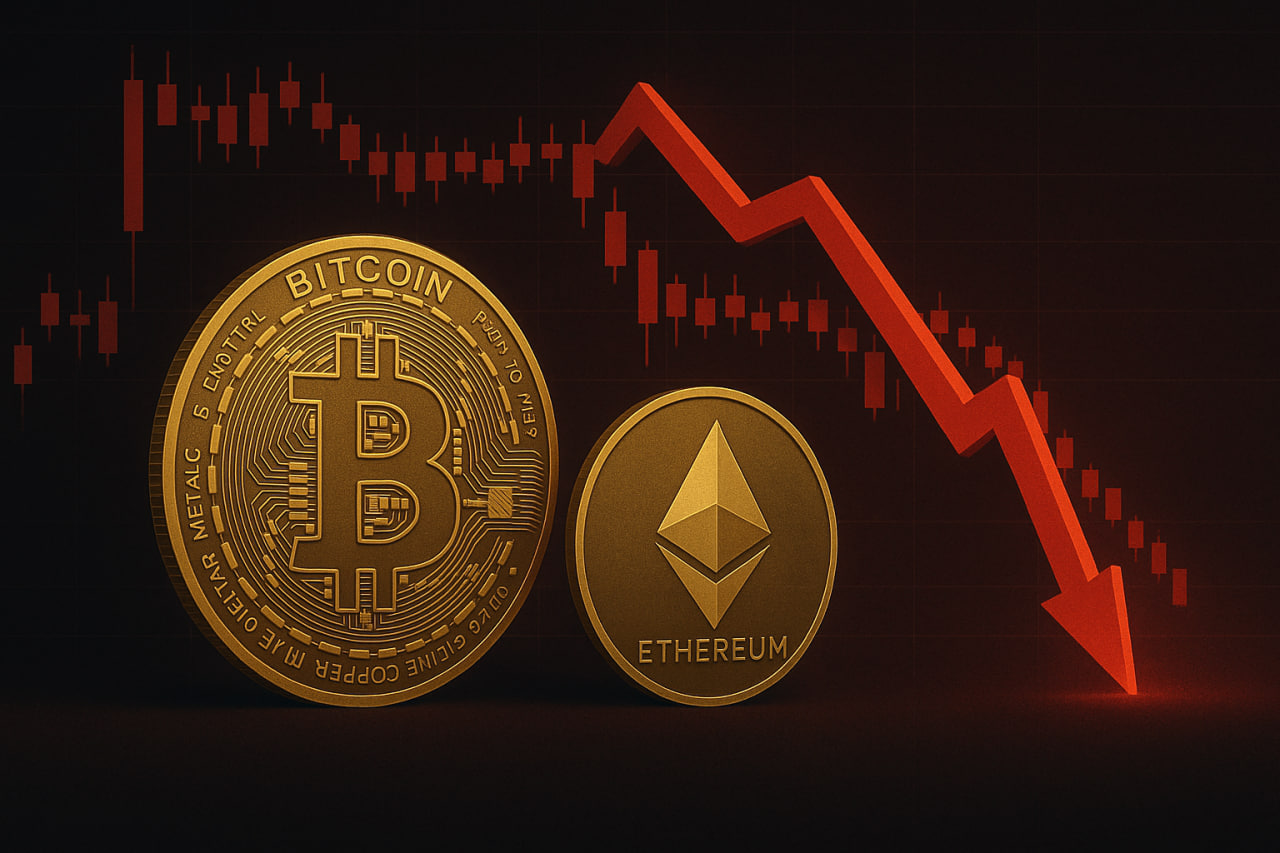
The timing couldn’t be worse. Instead of rising alongside the expanding hashrate, Bitcoin slipped into the low $80,000 range at the start of November. The industry suddenly found itself in a paradox: miners are throwing more power at the network while getting paid less for doing so.
The result has been one of the sharpest collapses ever recorded in mining revenue per unit of computing power. Incomes have fallen so far that many operators are now effectively working at breakeven.
The Math No Longer Adds Up
Mining has always been a long-term investment. But according to new data from The Miner Mag, the payback period for new ASIC hardware has stretched beyond 1,200 days — the longest repayment cycle miners have ever faced. Even firms that want to expand can’t rely on traditional financing: borrowing costs are climbing after a wave of convertible debt issuance earlier this year left miners with more leverage than usual.
In response, companies are trying to pivot into new revenue models connected to artificial intelligence and high-performance computing. But those projects are still tiny compared to the scale of mining. For now, AI revenues are a supplement — not a rescue.
Wall Street Ignites a Totally Unexpected Rebound
Despite all the operational stress, mining stocks suddenly surged. CleanSpark, Cipher, and IREN each saw double-digit gains over the past day, while the rest of the top-ten miners ended in the green as well.
The rally didn’t come from improving mining economics — it came from JPMorgan. A research note from the bank outlined long-term upside driven by HPC and cloud deals that mining firms are now aggressively signing. Cipher was highlighted as particularly undervalued after a 45% drawdown from earlier highs.
What really caught the market’s attention was IREN. The miner recently secured a staggering five-year agreement worth $9.7 billion to provide Microsoft with access to Nvidia GB300 GPUs housed in IREN facilities. The deal instantly transformed the way analysts model the company’s future.
Not everyone benefited from the optimism. JPMorgan cut its expectations for Marathon Digital and Riot, pointing to weaker Bitcoin prices and share dilution eroding the value of the BTC they hold.
BTC Ticks Up — But It Doesn’t Solve the Problem
Bitcoin rose roughly 2% over the past 24 hours, climbing toward $89,000, offering a moment of relief. But analysts warn that a slight bounce won’t reverse the conditions miners face. If Bitcoin stays below six figures while network competition keeps rising, the industry could see a wave of restructurings — or consolidation — in the months ahead.
The mining sector is now locked in a clash between scaling and survival. Those who endure will likely emerge stronger. Those who cannot will be remembered only on bankruptcy filings and auction listings for discounted ASICs.
The information provided in this article is for educational purposes only and does not constitute financial, investment, or trading advice. Coindoo.com does not endorse or recommend any specific investment strategy or cryptocurrency. Always conduct your own research and consult with a licensed financial advisor before making any investment decisions.



Alex is Editor-in-Chief of Coindoo and co-founder of Millennial Media Group, with nearly a decade of experience covering financial markets - crypto first, then everything else. It started in 2016 with Bitcoin. Like most people at the time, he didn't fully understand it - so he kept digging. Blockchain, tokenomics, the projects, the cycles. That curiosity never stopped, and eventually pulled him into traditional markets too: equities, commodities, macro. Not because he left crypto behind, but because you can't properly understand one without the other. What drives him is straightforward: he wants to know why something is happening, not just that it's happening. Most market coverage stops at the headline - price up, price down, here's a chart. Alex finds that kind of reporting actively unhelpful. If you walk away from an article without understanding the mechanism behind the move, what did you actually learn? He holds a degree in Tourism from New Bulgarian University - not the most obvious path into financial markets, but markets have a way of pulling in people who are simply too curious to stay out. He has authored over 200 in-depth analyses and more than 10,000 articles across crypto and traditional finance. He still thinks every day in markets teaches him something new. That's probably why he hasn't stopped.