Oil Rally Accelerates as Iran Tensions Shake 2026 Supply Outlook
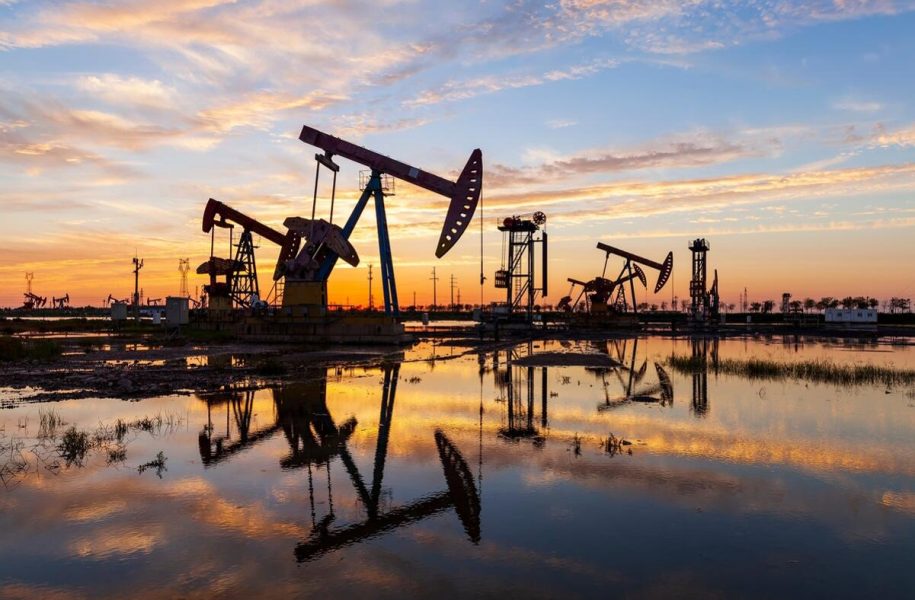
The oil market is off to its strongest start since 2022, with crude prices hovering near seven-month highs as of February 21, 2026.
Key Takeaways
- Oil is near seven-month highs, up sharply since the start of 2026.
- Iran tensions added a $10–$15 risk premium to crude prices.
- A big U.S. inventory draw and supply outages tightened the market.
- Gasoline is still below $3 nationally, but risks are building.
What was once expected to be a year defined by oversupply has quickly turned into a geopolitics-driven rally, as traders price in the growing risk of military escalation between the United States and Iran.
Late-week buying pushed Brent above $72 per barrel before settling slightly lower, while U.S. benchmark crude extended its two-month surge. The sharp move reflects a market increasingly focused on immediate threats rather than long-term forecasts of excess supply.
Prices Climb Despite Glut Forecasts
As of February 21:
Brent crude trades at $71.76 per barrel, marking a weekly gain of roughly 5% and an 18% rise year-to-date.
WTI crude stands at $66.48 per barrel, up about 20% over the past two months.
The rally comes even as major agencies like the IEA and EIA continue projecting a 2–4 million barrel per day global oversupply for 2026. For now, however, geopolitical risk has added an estimated $10–$15 per barrel premium, effectively overriding concerns about a future glut.
Iran Deadline Raises Market Anxiety
At the center of the surge is escalating tension between Washington and Tehran. President Donald Trump has reportedly set a 10–15 day window for Iran to reach a nuclear agreement, while the U.S. carries out its largest military buildup in the Middle East since 2003.
Energy traders are increasingly hedging against the possibility of conflict spilling into the Strait of Hormuz, a critical chokepoint that handles roughly 20% of global oil flows. Analysts warn that any disruption there could quickly propel prices beyond $100 per barrel.

Supply Shocks Add Fuel to the Rally
Geopolitical fears are being compounded by unexpected supply disruptions.
U.S. crude inventories posted a massive 9 million barrel draw last week, far exceeding expectations. At the same time, winter weather in North America and outages in Kazakhstan and Russia have removed an estimated 1.2 million barrels per day from global supply.
OPEC+ has also contributed to tighter conditions. Eight key members, including Saudi Arabia and Russia, have reaffirmed their decision to pause production increases through March 2026 in an effort to maintain market stability.
Gasoline Prices Hold Steady – For Now
Despite the sharp jump in crude, U.S. retail gasoline prices have remained relatively contained.
The national average for regular gasoline stands at $2.929 per gallon, down from $3.164 a year ago. However, regional differences remain stark. California leads at $4.59 per gallon, reflecting higher taxes and refinery constraints, while Oklahoma averages just $2.28 thanks to proximity to major refining hubs.
Crude oil typically accounts for about half of the retail gasoline price. The recent $10–$15 geopolitical premium has not yet fully filtered through to consumers, but analysts estimate it could add $0.15–$0.25 per gallon if crude sustains levels above $70.
Recent refinery closures in California and Wilmington have further tightened local fuel supply, causing West Coast prices to diverge from the broader national trend. Meanwhile, U.S. gasoline inventories fell by 3.2 million barrels, reducing the buffer against future price spikes.
Market watchers warn that if tensions escalate into a disruption of the Strait of Hormuz, national gasoline prices could swiftly move above $3.00 per gallon.
2026 Outlook Hinges on Geopolitics
For now, federal projections still call for an annual average gasoline price of $2.90–$2.91 in 2026. That outlook assumes the current geopolitical premium fades and that projected global oversupply ultimately pushes crude back toward the $50–$60 range.
But with military tensions rising and supply disruptions already tightening balances, the oil market’s early-year strength suggests that 2026 may not unfold as smoothly as forecasters once expected.
The information provided in this article is for educational purposes only and does not constitute financial, investment, or trading advice. Coindoo.com does not endorse or recommend any specific investment strategy or cryptocurrency. Always conduct your own research and consult with a licensed financial advisor before making any investment decisions.



With over 6 years of experience in the world of financial markets and cryptocurrencies, Teodor Volkov provides in-depth analyses, up-to-date news, and strategic forecasts for investors and enthusiasts. His professionalism and sense of market trends make the information he shares reliable and valuable for everyone who wants to make informed decisions.