Moldova Plans Nationwide Crypto Regulation Aligned With EU Rules
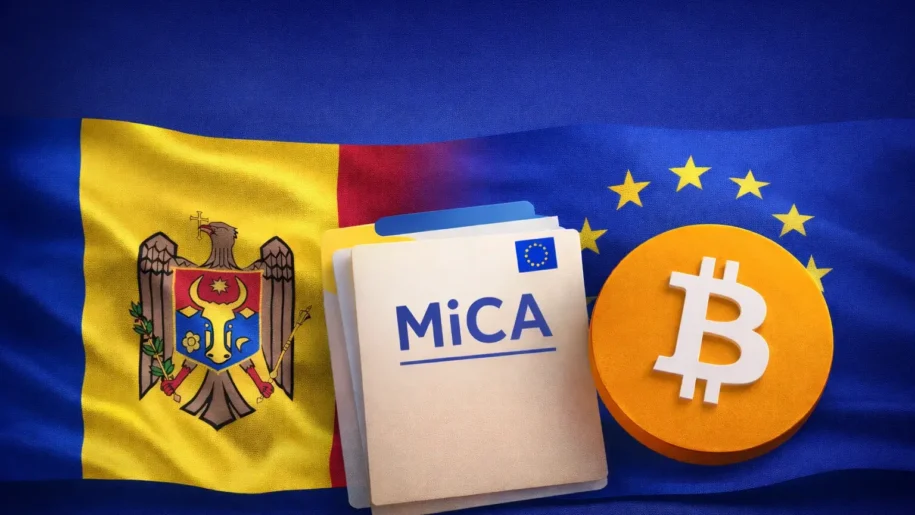
Moldova is preparing to introduce its first comprehensive legal framework for cryptocurrencies by the end of 2026, marking a significant step toward regulatory alignment with the European Union.
According to statements from the country’s finance leadership, the upcoming legislation will be modeled on the EU’s Markets in Crypto-Assets Regulation, or MiCA, signaling Moldova’s intention to harmonize its digital asset rules with European standards as it deepens economic integration with the bloc.
Key takeaways:
- Moldova plans to introduce its first nationwide crypto law by end-2026
- The framework will align closely with the EU’s MiCA regulation
- The goal is regulatory clarity, investor protection, and market oversight
- The move strengthens Moldova’s alignment with European financial standards
The proposed framework is expected to define how crypto-assets are issued, traded, and supervised within the country, while establishing clearer rules for service providers operating in the sector. Officials have framed the move as part of a broader effort to improve regulatory clarity, strengthen investor protection, and reduce legal uncertainty surrounding digital assets.
By aligning with MiCA, Moldova would adopt a structure already designed to standardize crypto oversight across EU member states, covering areas such as stablecoins, licensing requirements, and transparency obligations.

While Moldova is not an EU member, the approach reflects a growing trend among neighboring countries to mirror European financial regulations to attract investment and improve market credibility.
Details of the draft law have not yet been released, and authorities have not indicated whether additional restrictions or incentives will be included. However, the timeline suggests that consultations with industry participants and international partners are likely to take place before the framework is finalized.
If implemented as planned, the legislation would place Moldova among a small but growing group of non-EU countries choosing to anchor their crypto policies to MiCA, potentially positioning the country as a more predictable jurisdiction for digital asset businesses operating across Europe.
The information provided in this article is for educational purposes only and does not constitute financial, investment, or trading advice. Coindoo.com does not endorse or recommend any specific investment strategy or cryptocurrency. Always conduct your own research and consult with a licensed financial advisor before making any investment decisions.



Alex is an experienced financial journalist and cryptocurrency enthusiast. With over 8 years of experience covering the crypto, blockchain, and fintech industries, he is well-versed in the complex and ever-evolving world of digital assets. His insightful and thought-provoking articles provide readers with a clear picture of the latest developments and trends in the market. His approach allows him to break down complex ideas into accessible and in-depth content. Follow his publications to stay up to date with the most important trends and topics.