Mastercard Says Stablecoins Are Ready for Real-World Impact
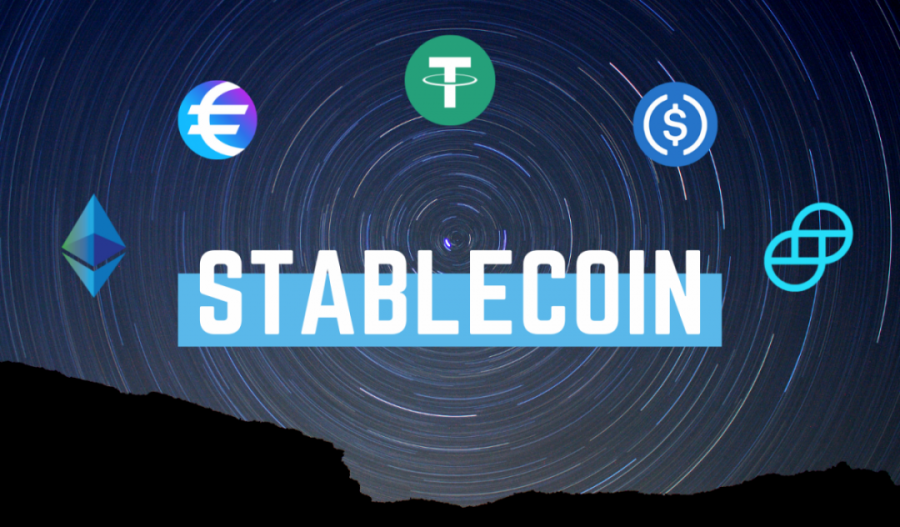
Mastercard has declared that stablecoins are reaching a pivotal moment, with real-world applications gaining traction and a regulatory framework finally taking shape.
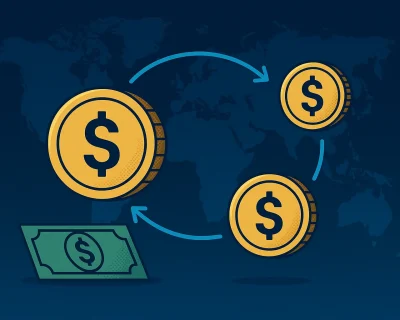
In a recent blog post, the payments giant emphasized that these digital assets are already proving useful in areas like cross-border payments, P2P transfers, and digital commerce.
The company highlighted the GENIUS Act in the U.S. and the EU’s MiCA regulation as major milestones, adding that financial hubs like Singapore, Hong Kong, and the UAE are also moving toward clear and secure stablecoin policies. Mastercard says such developments are laying the foundation for a more unified and trustworthy digital asset ecosystem.
While noting stablecoins’ efficiency and low cost, Mastercard stressed that true adoption hinges on reliable infrastructure. It argued that usability, compliance, and trust are as essential as the technology itself.
READ MORE:
XRP Price Prediction for the Next 5 Years
To meet these needs, Mastercard pointed to its own years-long investment in building stablecoin-ready systems. Initiatives like the Multi-Token Network and Crypto Credential aim to ensure global compliance, security, and dispute resolution—key ingredients for scaling stablecoin usage in regulated finance.



Alex is Editor-in-Chief of Coindoo and co-founder of Millennial Media Group, with nearly a decade of experience covering financial markets - crypto first, then everything else. It started in 2016 with Bitcoin. Like most people at the time, he didn't fully understand it - so he kept digging. Blockchain, tokenomics, the projects, the cycles. That curiosity never stopped, and eventually pulled him into traditional markets too: equities, commodities, macro. Not because he left crypto behind, but because you can't properly understand one without the other. What drives him is straightforward: he wants to know why something is happening, not just that it's happening. Most market coverage stops at the headline - price up, price down, here's a chart. Alex finds that kind of reporting actively unhelpful. If you walk away from an article without understanding the mechanism behind the move, what did you actually learn? He holds a degree in Tourism from New Bulgarian University - not the most obvious path into financial markets, but markets have a way of pulling in people who are simply too curious to stay out. He has authored over 200 in-depth analyses and more than 10,000 articles across crypto and traditional finance. He still thinks every day in markets teaches him something new. That's probably why he hasn't stopped.