JPMorgan CEO Warns Markets May Be Heading Toward a Major Financial Crisis

Jamie Dimon is sounding the alarm again. The longtime chief executive of JPMorgan Chase says today’s financial climate carries uncomfortable similarities to the years that preceded the 2008 collapse.
- Jamie Dimon warns that today’s market behavior resembles the run-up to 2008, with firms taking excessive risks to boost profits.
- He flags private credit, high asset valuations, and rising delinquencies as key pressure points.
- Record debt levels, stagflation risks, and weakness in commercial real estate could amplify any downturn.
According to Dimon, intensifying competition is pushing parts of the industry toward increasingly aggressive behavior. In his view, some institutions are stretching for yield and embracing questionable lending standards simply to defend profits – a pattern he says closely resembles the 2005–2007 period.
Aggressive Lending and Overconfidence Return
Dimon describes a market where strong asset prices and heavy deal volumes are creating a sense that risk no longer matters. He has warned that elevated valuations across equities and credit may be fostering complacency, with investors assuming the rally can continue indefinitely.
One area drawing particular scrutiny is the $2 trillion private credit market. Dimon has cautioned that it expanded rapidly during years of ultra-low interest rates and has not yet faced a full recessionary stress test. He has compared some of its dynamics to the loose subprime mortgage practices that amplified systemic risks before 2008.
He also suggested that this cycle’s “surprise” trouble spot may not mirror the housing crash. Instead, sectors facing rapid technological disruption – including software businesses pressured by artificial intelligence – could become unexpected fault lines.
Economic Indicators Raising Eyebrows
Several macro indicators are now tracking in ways that echo the pre-crisis era:
Credit card delinquencies have climbed sharply from pandemic-era lows. After falling to 1.48% in 2021, they have risen above 3%, approaching levels seen in the mid-2000s.
Household debt has nearly doubled compared to the 2007 peak, now exceeding $18 trillion. Federal debt has surged past $36 trillion, roughly four times its level before the financial crisis.
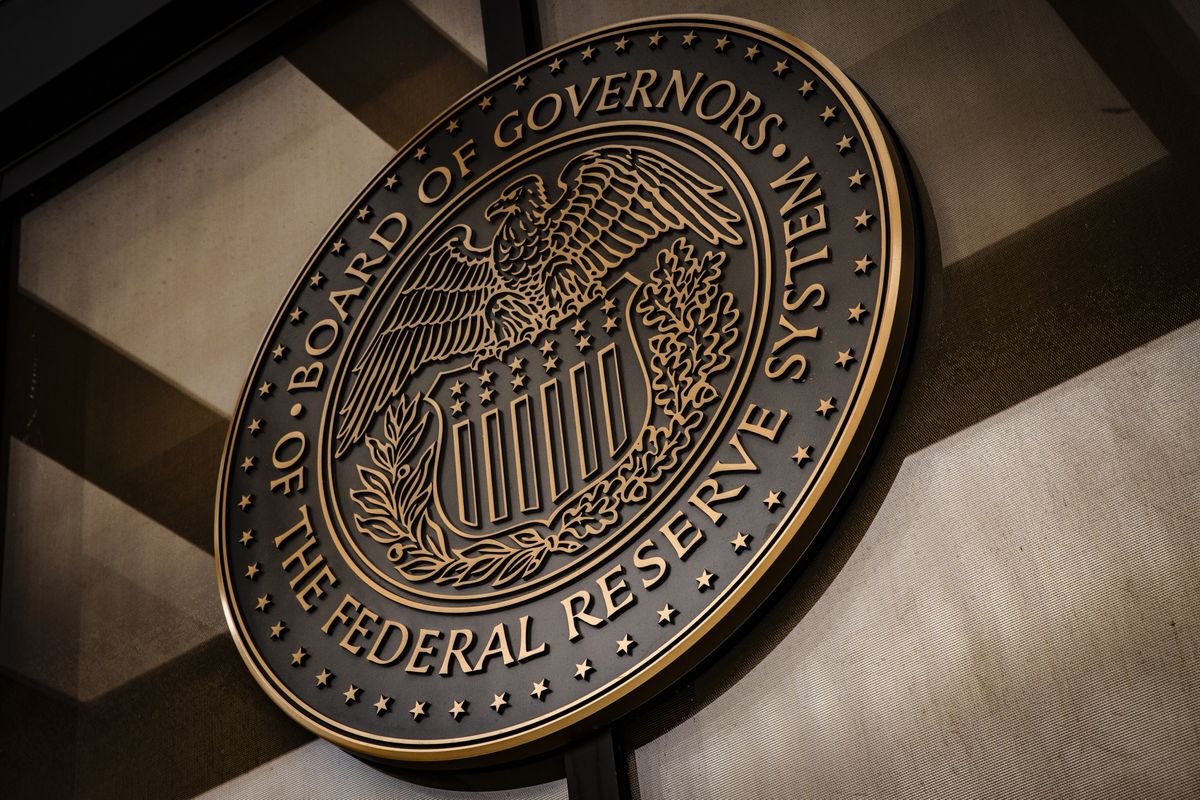
Equity valuations also appear stretched. The cyclically adjusted price-to-earnings ratio sits near 36, more than double its long-term historical average of around 17. Meanwhile, the Federal Reserve’s recent 50 basis point rate cut has prompted comparisons to the policy easing that preceded the 2008 downturn.
Early Cracks and “Tectonic Plates”
Dimon has pointed to isolated corporate failures as potential warning signs. Referencing the collapse of subprime auto lender Tricolor Holdings and distress at auto-parts company First Brands, he invoked what he calls the “cockroach theory” – the idea that visible problems often signal deeper, unseen weaknesses.
Beyond corporate stress, Dimon sees two major structural threats. The first is the expanding U.S. national debt, which he has described as a growing burden that is quietly consuming a larger share of the federal budget through rising interest payments. The second is heightened geopolitical instability, which could disrupt trade and capital flows.
He has also refused to rule out stagflation – a mix of persistent inflation and weak growth. Large fiscal deficits, supply chain realignments, and increased global defense spending, he argues, could keep price pressures elevated even if economic momentum slows.
Commercial real estate remains another vulnerable corner. Office properties, already strained by higher vacancy rates, could face sharp valuation declines if rates remain elevated or a recession takes hold. Dimon has noted that even a modest increase in rates can significantly compress asset prices across financial markets.
While he stopped short of predicting an imminent crisis, the message is clear: when competition overrides discipline and risks are underestimated, history has a tendency to repeat itself.
The information provided in this article is for educational purposes only and does not constitute financial, investment, or trading advice. Coindoo.com does not endorse or recommend any specific investment strategy or cryptocurrency. Always conduct your own research and consult with a licensed financial advisor before making any investment decisions.



Kosta joined the team in 2021 and quickly established himself with his thirst for knowledge, incredible dedication, and analytical thinking. He not only covers a wide range of current topics, but also writes excellent reviews, PR articles, and educational materials. His articles are also quoted by other news agencies.