Jerome Powell Signals Gradual Path Toward Neutral Policy Amid Rising Employment Risks
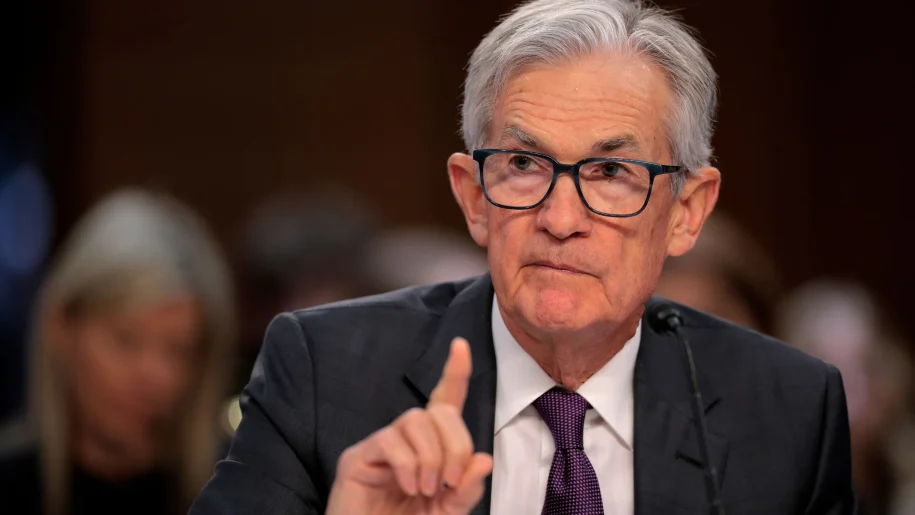
Federal Reserve Chair Jerome Powell maintained a cautious tone in his latest remarks, signaling that while the U.S. central bank is gradually moving away from a tight policy stance, it has no intention of rushing toward easing.

He noted that the risks to employment have increased, even as inflation continues to linger above the Fed’s target.
Powell emphasized that the Fed’s strategy aims to balance inflation control with sustaining the labor market, acknowledging signs of a softer jobs environment. “The downside risks to employment appear to have risen,” he said, reinforcing the Fed’s commitment to data-driven decisions as it navigates a delicate transition toward neutrality.
Beyond the economic outlook, Powell addressed growing political scrutiny of the Fed, pointing out that since 2008, the central bank has remitted over $900 billion to the U.S. Treasury. His comments come as debate intensifies over the Fed’s balance sheet strategy, with policymakers and former officials, including ex-Fed Governor Kevin Warsh, calling for a leaner approach.
Balance Sheet in the Spotlight
The Fed’s balance sheet has become a central focus again, as Powell responded indirectly to recent criticism from Treasury Secretary Scott Bessent over the scale of asset holdings. Bessent argued that the Fed’s policies have remained too expansive since the 2008 financial crisis. Powell’s remarks appeared to defend the current framework, underscoring that any adjustments will be deliberate and measured.
The Fed now operates under an “ample reserves” model, allowing it to influence rates through interest on reserves rather than daily interventions. This system, designed to provide stability, differs sharply from the older “skinny balance sheet” model that some policymakers want to revisit.

Avoiding Another “Taper Tantrum”
Powell also made it clear that the Fed wants to prevent a repeat of past market volatility episodes, such as the 2013 “taper tantrum.” He said the committee’s plans would take a “deliberately cautious approach to avoid the kind of money market strains experienced in September 2019.”
In line with this, the Fed has recently slowed the pace of its balance sheet reduction, allowing fewer bond holdings to roll off. The goal is to maintain quantitative tightening without triggering funding pressures or liquidity shocks across money markets.
A Shift Without Sudden Moves
Powell’s latest remarks suggest the Fed is nearing the point where policy could be considered closer to neutral, but without signaling any near-term rate cuts. Analysts say the central bank’s careful language reflects an awareness of both political and market sensitivities as it weighs future adjustments.
As the Fed moves through this transition phase, Powell’s message remains consistent: monetary normalization will come slowly, guided by data and stability rather than speed.
The information provided in this article is for educational purposes only and does not constitute financial, investment, or trading advice. Coindoo.com does not endorse or recommend any specific investment strategy or cryptocurrency. Always conduct your own research and consult with a licensed financial advisor before making any investment decisions.



Alex is an experienced financial journalist and cryptocurrency enthusiast. With over 8 years of experience covering the crypto, blockchain, and fintech industries, he is well-versed in the complex and ever-evolving world of digital assets. His insightful and thought-provoking articles provide readers with a clear picture of the latest developments and trends in the market. His approach allows him to break down complex ideas into accessible and in-depth content. Follow his publications to stay up to date with the most important trends and topics.