How Blockchain Changed Our Payment Expectations

The way in which consumers spend today is a far cry from times gone by, with the financial landscape transforming irrevocably following the steady integration of modern digital technology. While cash remains an important pillar of communities and businesses across the U.S., its use is now far outweighed by digital payment methods. Debit and credit cards continue to dominate; however, innovative electronic transaction formats like digital wallets, virtual cards and cryptocurrencies are increasingly making their presence known across the American consumer market.
It is the core technology behind one of these emerging methods that has the potential to have further transformative impact. Blockchain, the technological foundation so critical to the application of and consumer attraction towards cryptocurrencies, has had far-reachingimplications for global financial systems. While the immense potential of blockchain remains unknown to many, its impact on our spending habits is already being seen.
Background on Blockchain
Blockchain can trace its roots all the way back to the 1980s, where early cryptography pioneers like David Chaum, Stuart Haber and Wakefield Scott Sornetta proposed the concept of blockchain protocols for decentralized finance systems. It took until 2008, however, for the first blockchain to be created when the mysterious Satoshi Nakamoto used the technology to develop the first decentralized cryptocurrency, Bitcoin.
While the details of blockchain are complex, the structure and design of the technology is integral to its utility. While traditional financial systems rely on a central authority, such as a bank, to manage financial transactions and maintain customer records, blockchain uses decentralized networks of computers to store data in blocks, linked together in chronological order to create a permanent and traceable chain. With transaction verification only confirmed through consensus across the network participants, a major advantage of blockchain payments is its highly secure and transparent nature. In addition, as a peer-to-peer system, the lack of a middleman enables payments to be faster and cheaper than traditional transaction methods.
The Cryptocurrency Boom
To date, the most visible example of blockchain in our economies has been the emergence of cryptocurrencies like Bitcoin and Ethereum as a valid form of payment. Despite existing very much at the periphery of our financial systems for years, pioneering coins like these experienced a boom in value in 2017 – Bitcoin famously rising from $1000 to $20,000 per coin in the space of a year. This era sparked a greater interest in crypto across larger swathes of the public, influencing the creation of more currencies and other blockchain services. Following another significant boom at the end of 2020, driven by major capital investment and greater public acceptance, cryptocurrencies have become further integrated into everyday industries from banking and finance through to gambling and tourism. In fact, to get the best payout from an online casino, many players now often choose crypto as their form of payment, while travelers are increasingly using blockchain-backed currencies to avoid costly international transaction fees.
Does Blockchain actually Improve Payments?
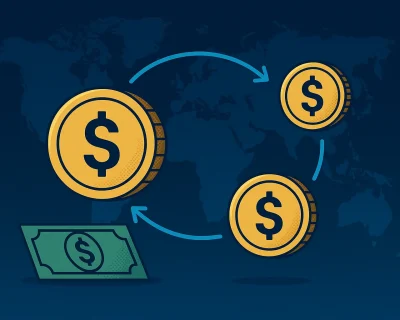
On a theoretical basis, an impressive argument can be made to suggest that blockchain improves payments when compared to traditional methods. As has been seen with the rise of crypto payments, blockchain enables faster, cheaper and more secure transactions. The elimination of anintermediary also allows for streamlined payments, where the only parties required to process a payment are the sender and receiver. The technology is especially useful for cross-border payments, too, allowing for transactions to be processed in minutes as opposed to the expensive traditional methods that can take days to process. Blockchain’s inherent transparency ofpayments is also a major benefit, helping to minimize fraud and maximize consumer trust.
In reality, there remain significant challenges. Bitcoin mining alone consumes more electricity than countless countries across the globe. Considering the high energy input required for effective blockchain systems, scalability continues to be a major issue. Further expansion is also impeded by regulatory limitations, as many governments are slow to react to the latest developments in financial technology. So, while blockchain’s potential is unparalleled, there is no doubting the major hurdles yet to be overcome.
A Tangible Impact on Global Finance
Despite these concerns, blockchain has already shifted consumer expectations when it comes to spending money. People now expect their payments to be processed faster and more securely than before, forcing traditional institutions to improve their financial services in response. For many, the impact of the 2008 global financial crash has not been forgotten, with consumer trust in major banks yet to return to pre-crash levels. In many ways, blockchain emerged at the right time, providing a decentralized alternative that has given individuals greater control of their spending and saving without the need for big banks. The impact is clear to see, with cryptopayments now standard across multiple industries.
What’s more, major financial institutions are now integrating blockchain technology into their operations. It is no longer just an alternative to traditional finance, but a necessary cog inbanking’s modern form. The power of blockchain goes beyond cryptocurrencies, with companies now using the technology to optimize processes, ranging from real–time settlements and automated smart contracts to transparent recordkeeping and regulatory compliance. So, while crypto is yet to become universally adopted by consumers, blockchain has, without doubt,established itself behind the scenes of the finance sector.
Looking back as recently as twenty years ago, it becomes clear just how much our global financial systems have changed. In an era where cash remained the dominant payment methodand where the iPhone was yet to be released, the concept of paying by tapping your phone wasinconceivable. The convergence of finance and technology in recent years has transformed the way we spend at a rate previously unseen, with the emergence of blockchain a primary catalyst for such rapid development. As we look ahead, blockchain has not only enhanced the speed and efficiency of payments but also elevated consumer expectations of banking services. With major innovations continuing to emerge from the fintech sector, blockchain could soon have an even greater presence in our day-to-day spending.
This publication is sponsored and written by a third party. Coindoo does not endorse or assume responsibility for the content, accuracy, quality, advertising, products, or any other materials on this page. Readers are encouraged to conduct their own research before engaging in any cryptocurrency-related actions. Coindoo will not be liable, directly or indirectly, for any damages or losses resulting from the use of or reliance on any content, goods, or services mentioned.


Krasimir Rusev is a journalist with many years of experience in covering cryptocurrencies and financial markets. He specializes in analysis, news, and forecasts for digital assets, providing readers with in-depth and reliable information on the latest market trends. His expertise and professionalism make him a valuable source of information for investors, traders, and anyone who follows the dynamics of the crypto world.