How a Rare Fed–Japan Currency Move Could Reshape Crypto Markets

For the first time this century, the United States may be preparing to step directly into foreign exchange markets by selling U.S. dollars and buying Japanese yen.
Recent signals from the Federal Reserve suggest that coordinated currency intervention with Japan is no longer a theoretical scenario but an active consideration.
Key takeaways:
- The U.S. is signaling readiness for coordinated dollar–yen intervention with Japan.
- Historically, joint U.S.–Japan action has led to a weaker dollar and rising global asset prices.
- Crypto faces short-term volatility risks but strong long-term upside if dollar weakness follows.
Signals Pointing to U.S.–Japan Coordination
The clearest indication of looming intervention came from the New York branch of the Federal Reserve, which reportedly conducted rate checks with major banks — a technical but crucial step that has historically preceded real currency operations. While no official announcement has been made, this move strongly suggests that U.S. policymakers are preparing the groundwork for action.
🇺🇸 THE FED IS PREPARING TO SELL U.S. DOLLARS AND BUY JAPANESE YEN FOR THE FIRST TIME THIS CENTURY.
The New York Fed has already done rate checks, which is the exact step taken before real currency intervention. That means the U.S. is preparing to sell dollars and buy yen.
This… pic.twitter.com/7xFReOFoDo
— Bull Theory (@BullTheoryio) January 25, 2026
Japan’s situation has been deteriorating for years. The yen has remained structurally weak, Japanese government bond yields have climbed to multi-decade highs, and the Bank of Japan continues to signal a hawkish posture. This combination has created growing financial stress that now threatens to spill beyond Japan’s borders, forcing global policymakers to pay closer attention.
Tokyo has already attempted to defend its currency multiple times, including interventions in 2022 and 2024. Even the July 2024 effort delivered only temporary relief. The pattern is well established: when Japan intervenes alone, the impact fades quickly. When the United States joins, outcomes change materially.
What History Says About Currency Intervention
The historical record is unusually clear. During the Asian Financial Crisis in 1998, Japan’s solo attempts to stabilize the yen failed until the United States stepped in. An even more dramatic example came in 1985 with the Plaza Accord, when coordinated action among major economies drove the dollar down by nearly 50% over the following two years.

That episode triggered a broad repricing of global assets. The dollar weakened, while gold, commodities, and non-U.S. markets surged. Liquidity conditions improved worldwide, and capital rotated aggressively into assets that benefited from dollar debasement.
If coordinated intervention occurs again, the mechanics would be straightforward. The Federal Reserve would expand dollar liquidity, sell those dollars into the market, and purchase yen. This would pressure the dollar lower while increasing global liquidity — an environment that has historically been supportive of asset prices across the board.
Why Crypto Faces Short-Term Risk but Long-Term Upside
Crypto sits at the center of this potential shift. Bitcoin has one of the strongest inverse relationships with the dollar and one of the strongest positive relationships with the yen. At present, Bitcoin–yen correlation levels are near historic highs, which would normally signal a favorable macro backdrop.
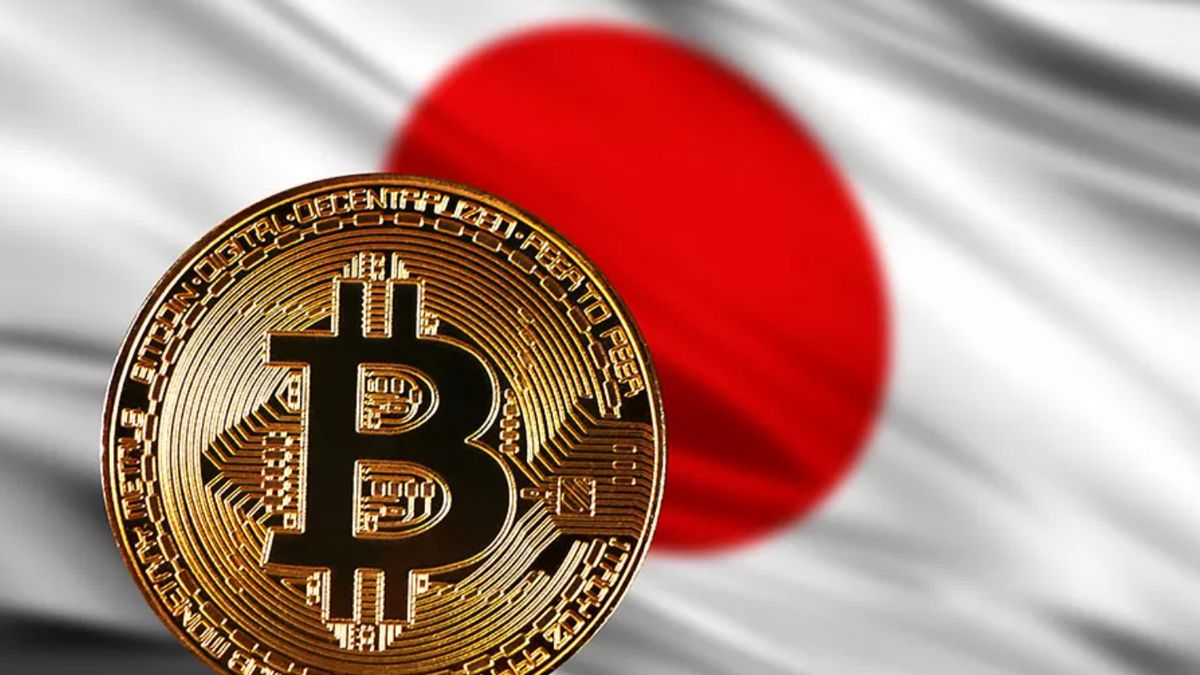
However, the short-term risks are real. Hundreds of billions of dollars remain tied up in the yen carry trade, where investors borrow cheap yen to fund positions in stocks and crypto. When the yen strengthens abruptly, those positions are often forced to unwind.
That dynamic played out sharply in August 2024. A relatively small rate hike by the Bank of Japan pushed the yen higher, triggering a rapid liquidation cycle. Bitcoin fell from $64,000 to $49,000 in just six days, while the broader crypto market lost roughly $600 billion in value.
This creates a two-speed dynamic. Yen strength can pressure crypto in the short term as leverage is flushed out. At the same time, sustained dollar weakness has historically been one of the strongest long-term tailwinds for digital assets.
Bitcoin remains well below its projected 2025 peak and is one of the few major assets that has not fully repriced for ongoing currency debasement. If coordinated U.S.–Japan intervention materializes and the dollar enters a sustained weakening phase, capital is likely to rotate toward assets that still appear undervalued in real terms.
Historically, crypto has benefited disproportionately in that environment.
With direct coordination between Washington and Tokyo absent for decades, the return of such a policy tool would mark a major shift in global macro strategy. If it happens, the effects are likely to extend far beyond foreign exchange — and this setup could ultimately define one of the most important macro narratives of 2026.
The information provided in this article is for educational purposes only and does not constitute financial, investment, or trading advice. Coindoo.com does not endorse or recommend any specific investment strategy or cryptocurrency. Always conduct your own research and consult with a licensed financial advisor before making any investment decisions.



Alexander Zdravkov is a person who always looks for the logic behind things. He has more than 3 years of experience in the crypto space, where he skillfully identifies new trends in the world of digital currencies. Whether providing in-depth analysis or daily reports on all topics, his deep understanding and enthusiasm for what he does make him a valuable member of the team.