Hormuz Strait Halt Threatens $120 Oil and Renewed Inflation Surge

The Strait of Hormuz is no longer functioning as a normal global shipping artery. Following U.S. and Israeli strikes on Iranian targets, Iran’s Islamic Revolutionary Guard Corps has reportedly instructed vessels via maritime radio that transit through the strait is not permitted.
Key Takeaways
- Strait of Hormuz effectively shut, disrupting normal shipping.
- ~20% of global oil supply at risk.
- Crude could spike toward $120–$130 if closure persists.
- Higher oil = renewed inflation pressure.
- Freight rates and market volatility already rising.
While no formal international blockade declaration has been filed, commercial shipping activity has slowed dramatically as major carriers suspend operations due to security risks.
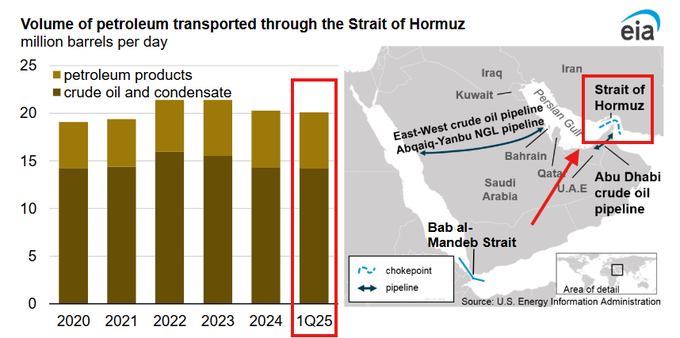
The implications are enormous. More than 20 million barrels of oil per day – roughly one fifth of global petroleum consumption – move through this narrow passage between Iran and Oman. Any sustained disruption would ripple across energy markets, inflation expectations, central bank policy, and risk assets worldwide.
Energy Shock Risk Returns
Oil markets are already reacting. Analysts warn that a full and prolonged closure could send crude prices toward $120–$130 per barrel, levels last seen during prior geopolitical shocks. Even without a legally formal blockade, effective shipping paralysis tightens supply immediately.
Energy prices feed directly into headline inflation. Historically, every $10 rise in crude has added approximately 0.2 percentage points to U.S. CPI. With oil already rebounding sharply from recent lows, a sustained Hormuz disruption could push inflation back toward 5%, complicating the Federal Reserve’s policy trajectory just as markets had been anticipating stabilization.
Limited Alternatives for Gulf Producers
The strategic vulnerability lies in geography. The Strait of Hormuz is the primary maritime outlet for oil exports from Saudi Arabia, Iraq, Kuwait, Qatar, and the United Arab Emirates. While some pipeline infrastructure exists, estimates suggest only around 6–7.5 million barrels per day could be rerouted overland. That would still represent a significant supply shortfall relative to normal transit volumes.
Even major consuming regions – including Europe, China, and parts of the United States – depend on flows passing through this corridor. The Strait handles not only crude oil but also roughly 20% of global LNG trade, increasing the risk of parallel gas price volatility.
Shipping Costs Surge
Freight markets are already pricing in elevated risk. Supertanker rates from the Middle East to Asia have jumped sharply, reaching levels not seen since the early pandemic dislocations of 2020. Insurance premiums for vessels operating in the Gulf have also spiked, adding another layer of cost pressure that ultimately feeds into refined fuel prices.

Marine tracking data indicates tankers are avoiding the strait or idling near safe harbors while awaiting clarity. The U.S. has advised vessels to maintain distance from military assets in the region, further constraining navigational routes.
Markets on Edge
Historically, Iran has threatened to close the Strait of Hormuz multiple times but has never executed a prolonged full shutdown in modern history. This time is different in tone, even if not yet codified legally. An “effective closure” driven by security risk rather than paperwork can still disrupt flows in practice.
Equity markets are vulnerable to a renewed risk-off wave if energy prices accelerate. Emerging markets dependent on fuel imports face particular pressure, while energy-exporting nations may see short-term fiscal windfalls. Meanwhile, commodities and defense stocks are likely to remain bid.
For crypto markets, higher oil prices create a complex dynamic. On one hand, geopolitical instability can drive interest in alternative assets. On the other, rising inflation could strengthen the case for tighter monetary policy if central banks fear second-round effects.
The Strait of Hormuz represents one of the world’s most critical economic chokepoints. Whether this disruption becomes a temporary standoff or escalates into a sustained blockade will determine whether markets experience a sharp but brief volatility spike – or a structural repricing of global energy risk.
The information provided in this article is for educational purposes only and does not constitute financial, investment, or trading advice. Coindoo.com does not endorse or recommend any specific investment strategy or cryptocurrency. Always conduct your own research and consult with a licensed financial advisor before making any investment decisions.



Alex is an experienced financial journalist and cryptocurrency enthusiast. With over 8 years of experience covering the crypto, blockchain, and fintech industries, he is well-versed in the complex and ever-evolving world of digital assets. His insightful and thought-provoking articles provide readers with a clear picture of the latest developments and trends in the market. His approach allows him to break down complex ideas into accessible and in-depth content. Follow his publications to stay up to date with the most important trends and topics.