French Banking Giant Jumps Into Crypto Trading for Millions of Users
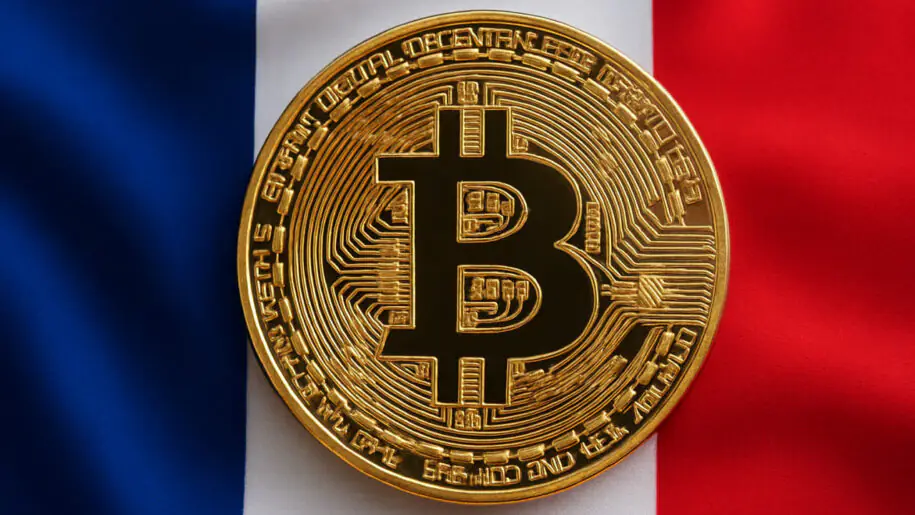
French banking giant BPCE is preparing a major expansion into digital assets, opening the door for millions of everyday customers to trade crypto directly inside their normal banking apps.
The move positions BPCE as one of the first major European financial institutions to treat crypto as a standard retail product rather than a niche investment segment.
Key Takeaways
- BPCE is integrating crypto trading directly into its mainstream banking apps.
- The rollout begins with two million users before expanding to 12 million by 2026.
- The move reflects a broader shift as Europe’s major banks adopt retail crypto services.
A Rollout Designed to Test Demand Before Going National
BPCE isn’t activating the new feature everywhere at once.
Instead, the group is starting with selected regions, giving roughly two million customers access to buy and sell Bitcoin, Ether, Solana and USDC through their Banque Populaire and Caisse d’Épargne apps. The trial phase will stretch into next year, after which the bank intends to bring the service to all of its 12 million retail users.
This staggered approach allows the bank to gauge user interest, fine-tune stability, and make adjustments before turning on the system across France.
Hexarq Takes the Lead on BPCE’s Digital-Asset Infrastructure
All crypto transactions will flow through a dedicated account inside the mobile app, managed not by outside exchanges but by Hexarq, BPCE’s own digital-asset subsidiary.
This gives the bank tight control over custody, compliance standards and transaction flows — something many traditional institutions previously said was too complex to handle in-house.
Customers who activate the feature will pay a small monthly fee and a percentage on each transaction. The emphasis is not on competing with low-cost crypto exchanges, but on offering a safe, familiar, fully regulated environment for newcomers.
Traditional Banks Race to Catch Up With Fintech Innovators
For several years, European fintechs such as Revolut, Trade Republic, Deblock and Bitstack attracted millions of users by providing seamless access to crypto trading. Large banks were slower to respond, often citing regulatory ambiguity.But momentum has shifted.

BBVA in Spain already supports crypto trading with its own custody model. Austria’s Raiffeisenlandesbank Niederösterreich-Wien integrated digital assets through a Bitpanda partnership. Santander’s Openbank has introduced a multi-asset crypto option to its platform.
BPCE’s entry strengthens the trend: crypto access is no longer limited to fintechs or specialized platforms — it is becoming a mainstream retail-banking feature.
A Sign of How Quickly Crypto Is Being Institutionalized in Europe
The timing aligns with increasing regulatory clarity across the EU. As the MiCA framework takes effect, banks now have a legal structure for offering crypto services without facing the uncertainty that defined earlier years.
BPCE’s shift demonstrates that major institutions see digital assets not as a passing experiment, but as a long-term component of consumer finance.
The information provided in this article is for educational purposes only and does not constitute financial, investment, or trading advice. Coindoo.com does not endorse or recommend any specific investment strategy or cryptocurrency. Always conduct your own research and consult with a licensed financial advisor before making any investment decisions.



Alexander Zdravkov is a person who always looks for the logic behind things. He has more than 3 years of experience in the crypto space, where he skillfully identifies new trends in the world of digital currencies. Whether providing in-depth analysis or daily reports on all topics, his deep understanding and enthusiasm for what he does make him a valuable member of the team.