France Slows Momentum on EU Plan to Reduce Dollar Dependence
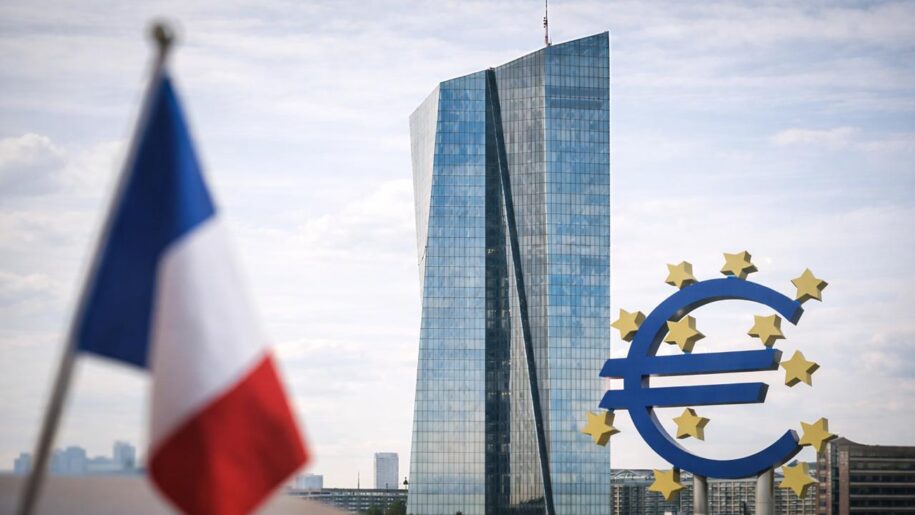
France is signaling reservations about accelerating efforts to strengthen the euro’s international role, introducing a note of caution into a broader European push to reduce reliance on the U.S. dollar.
Key Takeaways
- France is urging a risk assessment before advancing efforts to strengthen the euro’s global role.
- Euro-area finance ministers are discussing policies to expand euro usage in bonds, trade invoicing, and payments.
- The euro remains far behind the U.S. dollar in global reserves, underscoring structural challenges to internationalization.
The stance comes as euro-area finance ministers convene in Brussels on February 16, 2026, to examine options for promoting the euro in global bond issuance, trade invoicing and cross-border payments. While momentum has been building across European institutions to expand the euro’s footprint in global finance, Paris is calling for a careful assessment of economic risks before pursuing more aggressive internationalization measures.
Paris Signals a More Measured Approach
French officials have indicated that any initiative aimed at boosting the euro’s international standing should be accompanied by a thorough evaluation of potential macroeconomic consequences. The position contrasts with more enthusiastic narratives in parts of the European Union that frame euro internationalization as a strategic imperative.
The French government is getting cold feet about Europe seeking to strengthen the international role of the euro and calling for an assessment of the economic risks https://t.co/1Z97Wlb0QW
— Bloomberg (@business) February 16, 2026
Among the concerns are exchange-rate volatility and the possibility that sustained euro appreciation could erode export competitiveness. A stronger global role for the currency could also amplify external shocks, exposing the euro area to larger capital inflows and outflows during periods of financial stress.
Euro-Area Discussions on Strategic Autonomy
The Ecofin meeting in Brussels forms part of a broader EU strategy aimed at strengthening financial autonomy. Proposals under consideration include encouraging greater issuance of euro-denominated debt, expanding euro invoicing in sectors such as energy and raw materials, and reinforcing payment infrastructure that reduces dependence on dollar-based systems.
Recent steps have included the European Central Bank’s decision to expand euro liquidity backstop facilities to central banks globally, with implementation scheduled for the third quarter of 2026. The measure is designed to enhance the euro’s attractiveness during periods of market disruption by providing reliable access to funding.
The Euro’s Position in Global Finance
Despite periodic ambitions to elevate its global status, the euro accounts for roughly 20% of global foreign-exchange reserves, compared with approximately 58% –60% for the U.S. dollar. While the euro remains the second most widely held reserve currency, its share has remained relatively stable over the past decade.
Structural factors limit rapid expansion. The euro area lacks a fully unified fiscal framework, and sovereign debt markets remain fragmented compared with the deep, unified U.S. Treasury market. These characteristics constrain the scale and liquidity advantages that underpin the dollar’s dominance.
Benefits and Trade-Offs of Internationalization
A stronger global role could lower transaction costs for European firms, enhance geopolitical leverage, and support deeper capital markets. Increased euro invoicing in trade could reduce exposure to exchange-rate fluctuations against the dollar, particularly in commodities and defense procurement.
However, internationalization carries trade-offs. Greater global demand for euro assets may lead to currency appreciation, potentially weighing on manufacturing exports. It could also increase the euro’s exposure to geopolitical tensions, particularly if efforts are perceived as directly challenging dollar primacy.
Dollar Dominance and Network Effects
The dollar’s resilience stems from powerful network effects: deep and liquid capital markets, widespread use in commodity pricing, and its role as a global safe-haven asset. Even as policymakers debate diversification, global investors continue to rely heavily on dollar-denominated assets during periods of uncertainty.

For the euro to expand its role meaningfully, structural reforms such as deeper capital markets integration and further fiscal coordination may be required. Incremental initiatives alone are unlikely to shift global reserve allocations substantially.
Why Caution Now?
The timing of France’s reservations reflects broader geopolitical and economic volatility in 2026. With global trade tensions, election-related uncertainties, and fluctuating energy markets, policymakers may prefer stability over rapid shifts in currency strategy.
A measured approach allows the euro area to strengthen institutional foundations while mitigating unintended macroeconomic consequences. In this context, France’s call for prudence introduces a balancing perspective within ongoing EU discussions.
Gradualism Over Acceleration
The debate over the euro’s global role underscores the tension between strategic ambition and economic stability. While Europe continues to pursue greater financial autonomy, achieving durable gains in international usage will likely require structural integration rather than rapid policy initiatives.
For now, France’s position suggests that euro internationalization may proceed cautiously, with policymakers weighing competitiveness, market stability, and geopolitical considerations alongside long-term strategic goals.
The information provided in this article is for educational purposes only and does not constitute financial, investment, or trading advice. Coindoo.com does not endorse or recommend any specific investment strategy or cryptocurrency. Always conduct your own research and consult with a licensed financial advisor before making any investment decisions.



With over 6 years of experience in the world of financial markets and cryptocurrencies, Teodor Volkov provides in-depth analyses, up-to-date news, and strategic forecasts for investors and enthusiasts. His professionalism and sense of market trends make the information he shares reliable and valuable for everyone who wants to make informed decisions.