Fed Minutes Signal More Cuts Ahead, but Timing Remains Uncertain
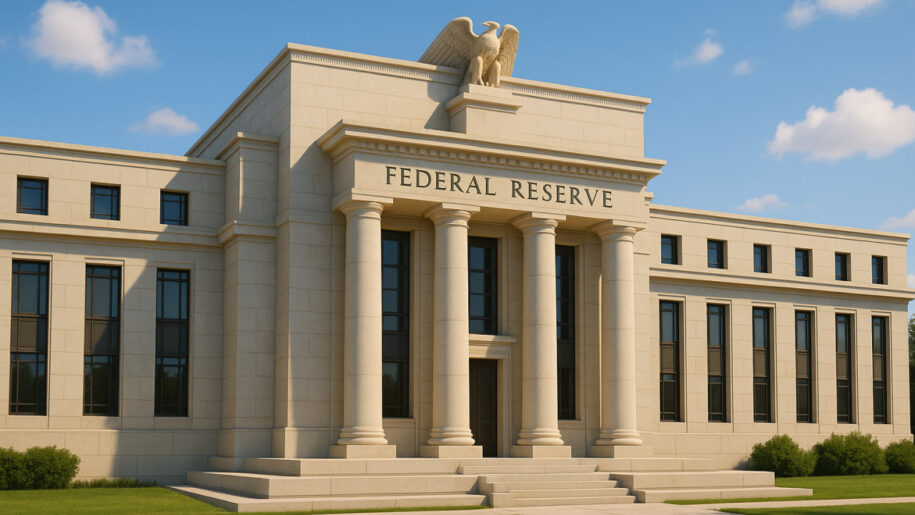
The Federal Reserve’s minutes from the December 9-10, 2025 meeting, released on December 30, show officials still leaning toward additional rate cuts over time, but with growing caution about moving too quickly.
The committee cut rates by 25 basis points to a 3.50%-3.75% target range in a 9-3 vote, highlighting meaningful disagreement inside the Fed on how to balance stubborn inflation with a cooling labor market.
Key Takeaways
- The Fed still expects more rate cuts over time, but January now looks unlikely as policymakers want clearer proof inflation is cooling.
- Officials see labor market risks tilted to the downside, while inflation risks remain tilted to the upside, keeping policy decisions finely balanced.
- Treasury bill purchases and expanded repo tools aim to prevent funding stress, not to signal new stimulus.
- For 2026, gradual easing could support stocks and crypto, but volatility is likely to stay elevated.
The two risks the Fed keeps coming back to
A repeated message in the minutes is that the Fed is not viewing the outlook as “clean.” Officials described labor-market risks as still tilted to the downside, while inflation risks remained tilted to the upside.
That combination is important: it suggests policymakers are worried about a deterioration in jobs happening faster than expected, but they also fear inflation could stay sticky enough to limit how aggressively they can cut in the near term.
Why money-market stress pushed the Fed to act on the balance sheet
Another major takeaway is that the Fed is paying close attention to tightening conditions in short-term funding markets. The minutes discuss elevated and volatile repo rates, declining reserves, and a widening spread between the effective federal funds rate and the interest rate on reserve balances.
In response, policymakers agreed to initiate reserve management purchases focused on shorter-term Treasuries (with an emphasis on Treasury bills), and they also removed the aggregate limit on standing repo operations. The Fed framed these steps as technical actions meant to maintain control of interest rates and keep markets functioning smoothly, not as a change in the stance of monetary policy.
What it means for the economy as 2026 begins
The minutes describe an economy that is still expanding at a moderate pace, but with clearer signs of strain underneath. Inflation was running above target, with officials noting tariff-related pressure in goods even as some service components cooled.
At the same time, job gains were slowing and unemployment had edged higher earlier in the fall, feeding concerns that a low-hiring environment could make the labor market more fragile if layoffs pick up. Put together, the Fed sounds like it wants to keep moving toward a more neutral policy setting, but only as long as inflation continues to cool enough to justify it.

Even though most participants still judged that further cuts would likely be appropriate over time, the market has become much less confident about an immediate follow-up cut at the January 27-28, 2026 meeting. Recent FedWatch-based reporting and market commentary show the probability of a January cut falling into the mid-teens range, with “hold” odds rising.
What this could mean for stocks and crypto in 2026
If the Fed delivers gradual cuts later in 2026 while also preventing funding-market stress through bill purchases and a more flexible repo backstop, that mix can be supportive for equities, particularly if growth holds up.
The complication is the Fed’s own risk framing: downside labor risks can become a headwind for earnings if hiring weakens more than expected, while upside inflation risks can keep financial conditions tighter than markets want. In other words, 2026 could favor selective strength rather than a smooth, broad rally.
For crypto markets, the minutes point to two competing forces. On one hand, a slower-but-still-easing rate path tends to help risk appetite over time, and “technical” balance-sheet expansion via Treasury-bill purchases can reinforce a liquidity-friendly narrative.
On the other hand, if inflation proves persistent and forces the Fed to pause longer than investors expect, crypto could see sharper swings as traders repeatedly reprice the timing of easing. The big signal from the minutes is that 2026 may be less about a straight line of cuts and more about stop-and-go adjustments driven by labor and inflation surprises.
The information provided in this article is for educational purposes only and does not constitute financial, investment, or trading advice. Coindoo.com does not endorse or recommend any specific investment strategy or cryptocurrency. Always conduct your own research and consult with a licensed financial advisor before making any investment decisions.



Alex is an experienced financial journalist and cryptocurrency enthusiast. With over 8 years of experience covering the crypto, blockchain, and fintech industries, he is well-versed in the complex and ever-evolving world of digital assets. His insightful and thought-provoking articles provide readers with a clear picture of the latest developments and trends in the market. His approach allows him to break down complex ideas into accessible and in-depth content. Follow his publications to stay up to date with the most important trends and topics.