FBI Crypto Impersonation Scam Hits Hundreds of Wallets as Global Agencies Launch Crackdown on AI-Powered Fraud
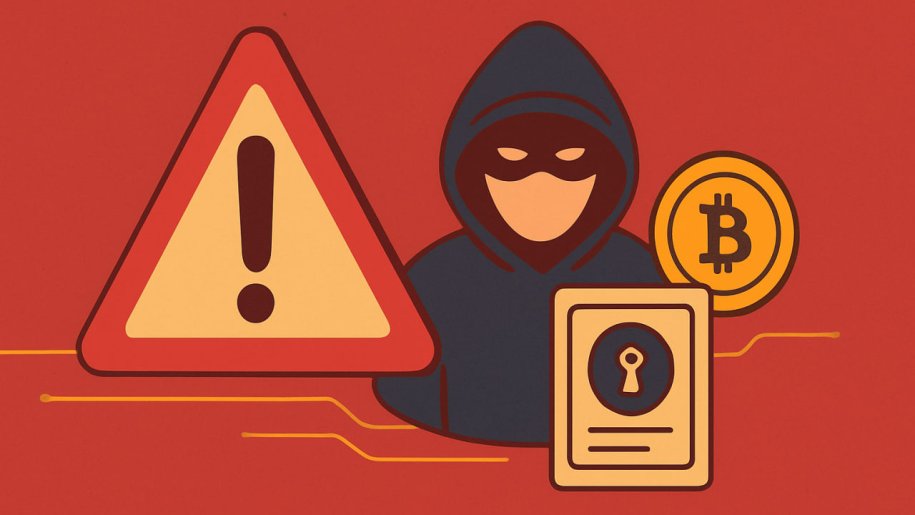
The FBI's New York Field Office issued a high-priority warning on March 19, 2026, alerting cryptocurrency users to a coordinated phishing campaign exploiting the Tron (TRC-20) blockchain.
- Fraudsters are airdropping fake FBI-branded TRC-20 tokens to pressure victims into handing over personal data
- At least 728 wallets were hit within eight days; several held over $1 million in assets
- Impersonation crypto scams surged 1,400% year-over-year in 2025, contributing to ~$17 billion in total losses
The scheme involves fraudulent tokens designed to impersonate the federal agency, as per the FBI’s official announcement – a tactic that has already reached hundreds of wallets in under two weeks.
The mechanics are deliberate and calculated. Malicious actors airdrop counterfeit tokens directly into users’ wallets, unsolicited, with no prior contact. The tokens arrive carrying on-chain messages – or are accompanied by alerts – claiming the recipient’s wallet is flagged for Anti-Money Laundering violations. From there, victims are pushed toward a phishing website under the premise of completing a mandatory “verification process.” Refusal, they’re told, will result in a total block on their assets.
The data extracted from those sites – personal identifiers, wallet credentials – can be leveraged for further fraud or used to drain accounts directly.
FBI New York encourages users of the Tron blockchain network to exercise caution if they encounter a token purported to be from the FBI. If you receive a token from an account with the details below, do not provide any identifying information to any website associated with such… pic.twitter.com/VF03sjM4VW
— FBI New York (@NewYorkFBI) March 19, 2026
Scale and Targets
Within eight days of the token’s creation, at least 728 wallets had already received it. The operation shows signs of deliberate targeting: multiple affected wallets contained over $1 million in USDT, pointing to a focus on high-net-worth individuals rather than a scattershot approach.
The broader context is hard to ignore. Impersonation-related crypto scams reportedly surged 1,400% year-over-year in 2025, feeding into roughly $17 billion in total crypto fraud losses. The FBI’s own Operation Level Up – an ongoing fraud identification initiative – had identified over 8,100 victims and prevented an estimated $511.5 million in losses as of late 2025.
What the FBI Is Saying
The agency was unambiguous in its guidance: it does not issue cryptocurrency tokens and it does not request identity verification through blockchain messages. Anyone who receives such a token should not engage with linked websites, and under no circumstances should personal information be disclosed.
For legitimate updates, the FBI directs users exclusively to its official website and the Internet Crime Complaint Center at ic3.gov. Those who have already interacted with these tokens are urged to file a report immediately, including full transaction details, wallet addresses, and transaction hashes.
A Broader Campaign: International Enforcement Responds
The FBI warning doesn’t exist in a vacuum. On March 18, 2026, U.S., Canadian, and UK agencies launched Operation Atlantic – a new international partnership targeting “approval phishing” schemes and working to recover stolen crypto assets. The initiative reflects growing cross-border recognition that these scams have outpaced any single jurisdiction’s ability to respond.
READ MORE:

2026 Survey Data Confirms What Many Suspected: Institutional Crypto Adoption Is No Longer Optional
INTERPOL recently published a threat assessment with a stark finding: AI-enhanced fraud is now 4.5 times more profitable than traditional methods. The report flagged the rise of so-called “Agentic AI” – systems capable of autonomously running complete scam campaigns from initial reconnaissance through to ransom collection, with minimal human involvement.
Other Active Threats to Know
The FBI token scam is one thread in a considerably larger web of active campaigns.
On the same day as the FBI warning, hackers were found targeting developers on GitHub by impersonating the AI project OpenClaw. Using fake repositories, the attackers lured users into connecting wallets to claim a fraudulent $5,000 “CLAW token” airdrop.
Earlier in the month, scammers exploited the viral launch of the “Pudgy World” game by deploying a near-identical clone site to steal credentials from players linking their wallets. A separate FBI advisory from March 9 flagged a different kind of impersonation – criminals posing as local government officials, using public records to identify land-use permit applicants and demanding fraudulent fees via wire transfer or cryptocurrency.
Classic techniques haven’t gone anywhere either. Address poisoning – where attackers create tokens with addresses closely mimicking ones a victim has previously used – continues to catch users off guard. Approval phishing, which tricks users into signing contracts that grant attackers unlimited access to their assets, remains widespread. And in 2025, fraudsters convinced Americans to deposit over $333 million into Bitcoin ATMs by claiming their bank accounts had been compromised.
Regulatory Backdrop
On March 6, 2026, the SEC formally settled its fraud case against Tron founder Justin Sun for $10 million, closing a lawsuit that had been running since 2023. The settlement lands as Tron’s blockchain is being actively exploited in the FBI impersonation campaign – an uncomfortable juxtaposition for a network already under scrutiny.
Meanwhile, a Singapore Police Advisory published March 7 reported that victims lost over $182 million to crypto investment and job scams in 2025 alone. FBI data also recorded a surge in ATM jackpotting – physical exploitation of cash machines -with over $20 million in losses across more than 700 incidents last year.
As the crypto world grows more entangled with the global financial system, investors should remain vigilant as scams, hacks and other malicious activities are bound to continue appearing. Despite regulatory efforts to mitigate the risks, there will probably always be people or groups who are going to try and rip-off people – especially those who are not well-versed in the crypto space. There are a lot of prevention methods, like not trusting links sent by unfamiliar sources, keeping your seed phrases safe and away from the internet, and doing reasearch. The last one is the most important one. Educating oneself on the risks of the sector is the most fundamental step that should be taken. If you know the do’s and dont’s of navigating the crypto space, you are on step away from falling victom to one of these scams.
The information provided in this article is for educational purposes only and does not constitute financial, investment, or trading advice. Coindoo.com does not endorse or recommend any specific investment strategy or cryptocurrency. Always conduct your own research and consult with a licensed financial advisor before making any investment decisions.



Alex is an experienced financial journalist and cryptocurrency enthusiast. With over 8 years of experience covering the crypto, blockchain, and fintech industries, he is well-versed in the complex and ever-evolving world of digital assets. His insightful and thought-provoking articles provide readers with a clear picture of the latest developments and trends in the market. His approach allows him to break down complex ideas into accessible and in-depth content. Follow his publications to stay up to date with the most important trends and topics.