EU Races to Scrap Tariffs to Secure Car Deal With Trump
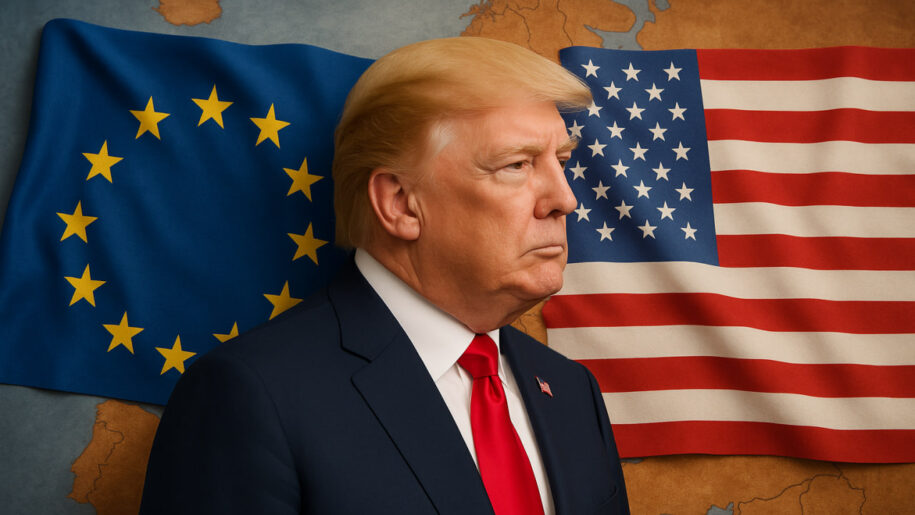
Brussels is preparing to fast-track legislation that would scrap tariffs on U.S. industrial goods by the end of the week, answering a key demand from President Donald Trump as part of broader trade talks.

In exchange, Washington is expected to reduce duties on European automobiles, one of the bloc’s most valuable exports.
According to officials familiar with the plan, the European Commission will also extend preferential tariffs on select agricultural and seafood products. The commission acknowledged the arrangement leans in Washington’s favor but argued that securing predictability for businesses outweighs the imbalance. Commission President Ursula von der Leyen has previously called the pact “a strong, if not perfect deal.”
Trump’s Conditions
Currently, EU cars and auto parts face a 27.5% tariff when entering the U.S. Under the deal, nearly all European products would face tariffs capped at 15%, but Trump has made clear that the lower rate for cars will only apply once the EU passes legislation eliminating duties on U.S. industrial exports.
If the legislation is introduced this month, the 15% rate on European cars will be retroactive to August 1. That’s a critical concession for Germany, which exported nearly $35 billion in cars and parts to the U.S. last year.
Trade Tensions in the Background
The trade push comes even as Trump continues to threaten new tariffs against nations that impose digital taxes, a move that could affect the EU given its strict oversight of U.S. tech firms like Apple and Google.
In an unusual step, the European Commission is bypassing a formal impact assessment to rush the proposal forward, underscoring the urgency of sealing the deal before escalating tensions derail talks.
Source: Bloomberg
The information provided in this article is for informational purposes only and does not constitute financial, investment, or trading advice. Coindoo.com does not endorse or recommend any specific investment strategy or cryptocurrency. Always conduct your own research and consult with a licensed financial advisor before making any investment decisions.



Alexander Zdravkov is a person who always looks for the logic behind things. He has more than 3 years of experience in the crypto space, where he skillfully identifies new trends in the world of digital currencies. Whether providing in-depth analysis or daily reports on all topics, his deep understanding and enthusiasm for what he does make him a valuable member of the team.