Ethereum vs. Bitcoin: Is BTC’s Weak Security a Ticking Time Bomb?

A growing number of voices in the crypto research community are raising concerns about the long-term sustainability of Bitcoin’s security architecture, with comparisons increasingly favoring Ethereum’s proof-of-stake approach.
Justin Drake, a prominent Ethereum researcher, has drawn attention to what he describes as Bitcoin’s vulnerability to a 51% attack. According to his analysis, an adversary with access to roughly $10 billion could theoretically disrupt the Bitcoin network by taking over the majority of its mining power. In contrast, compromising Ethereum would require control over more than half of the staked ETH — currently valued at nearly $45 billion — making such an attack both financially and logistically far more difficult.
Ethereum’s transition to proof-of-stake has significantly altered its defense model. Instead of relying on energy-intensive mining, it secures the network through capital-based staking, where validators lock up large amounts of ETH as collateral. This not only lowers energy usage but also increases the financial risk for potential attackers.
Drake’s viewpoint aligns with recent commentary from Grant Hummer, co-founder of Etherealize, who also sees Bitcoin’s decreasing block rewards and reliance on transaction fees as a looming security concern. In a detailed thread on X, Hummer warned that the cost to attack Bitcoin could fall dramatically over the coming years, potentially to as low as $2 billion — a figure he claims would make a successful attack far more realistic.
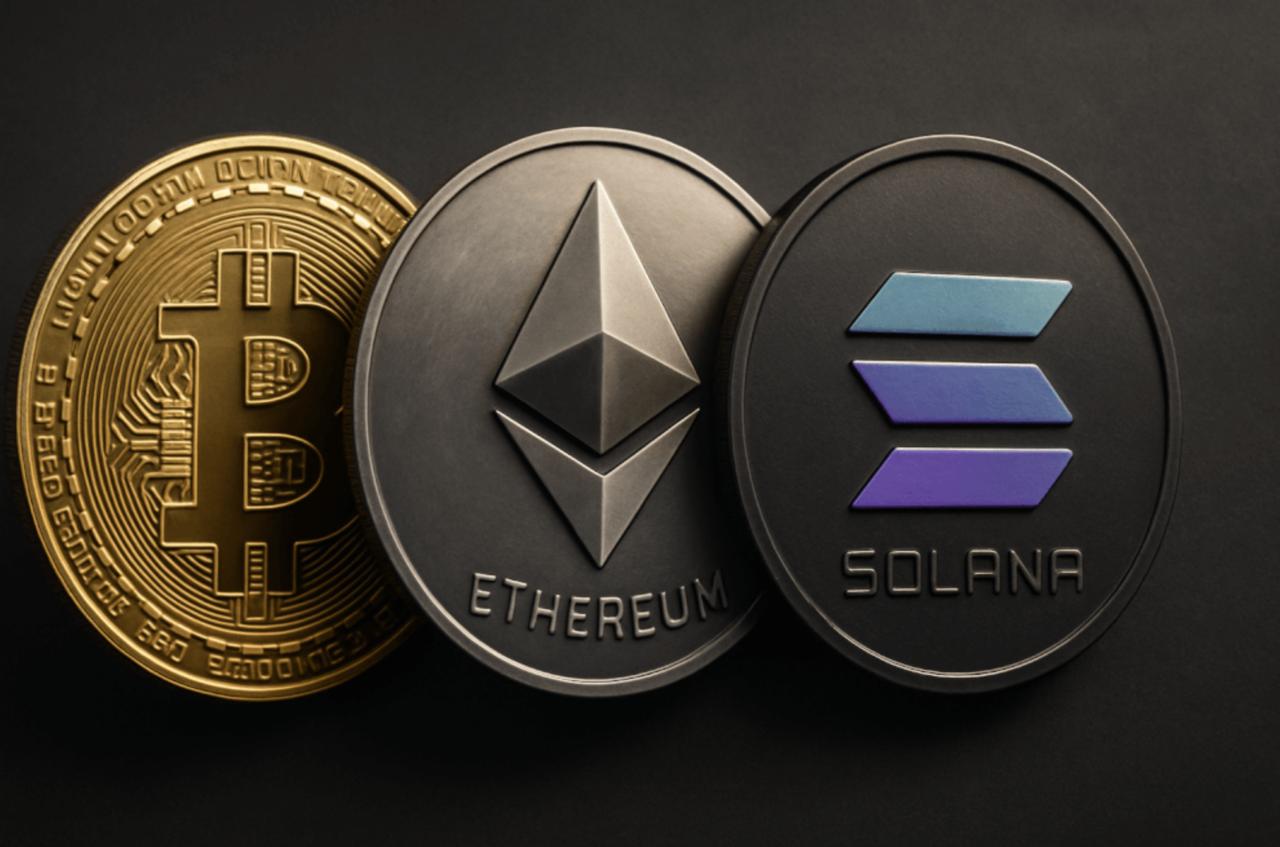
According to Hummer, Ethereum’s broader validator base and significantly higher staking threshold give it a more robust defense mechanism. He emphasized that securing sensitive data on a globally distributed protocol with thousands of independent validators and billions in locked assets is a far safer bet than trusting networks run on centralized cloud servers.
Both Drake and Hummer suggest that Ethereum’s model may ultimately prove more suitable for serving as the internet’s long-term store of value, especially as crypto infrastructure continues to evolve.



Alex is an experienced financial journalist and cryptocurrency enthusiast. With over 8 years of experience covering the crypto, blockchain, and fintech industries, he is well-versed in the complex and ever-evolving world of digital assets. His insightful and thought-provoking articles provide readers with a clear picture of the latest developments and trends in the market. His approach allows him to break down complex ideas into accessible and in-depth content. Follow his publications to stay up to date with the most important trends and topics.