ECB Expands Euro Funding Access to Boost Global Role
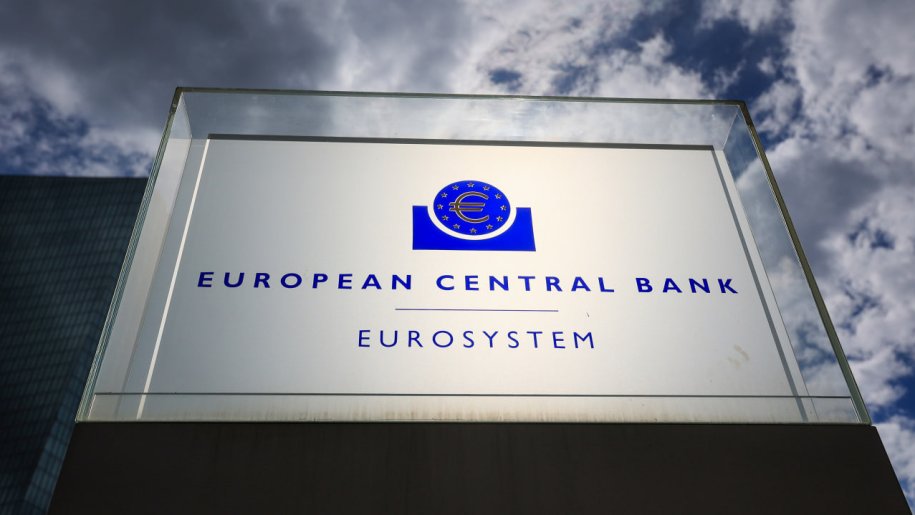
The European Central Bank has unveiled a sweeping overhaul of its Eurosystem repo facility for central banks, signaling a strategic push to strengthen the euro’s global footprint and shield financial markets from sudden liquidity shocks.
Key Takeaways
- The ECB will make its euro liquidity repo facility permanent from Q3 2026.
- Access will be open to most central banks globally, with strict compliance safeguards.
- Borrowing limits will increase, with more flexible use of funds.
- The move aims to prevent market stress and strengthen the euro’s global role.
Announced on February 14, 2026, the revamped Eurosystem Repo Facility (EUREP) will offer standing access to euro liquidity for central banks worldwide starting in the third quarter of 2026. The move transforms what was previously a limited and partly temporary arrangement into a permanent backstop designed to steady global funding markets during periods of stress.
A Major Expansion of Access
Under the new framework, the facility will in principle be available to all central banks globally. Access will only be restricted in cases involving concerns such as money laundering, terrorist financing, or international sanctions compliance.
This marks a significant departure from the earlier setup, which primarily served a small group of non-euro area European central banks including Albania, Andorra, Hungary, Kosovo, Montenegro, North Macedonia, Romania, and San Marino. Those agreements were extended in January 2025 and are set to run through January 31, 2027.
The updated structure also introduces materially higher borrowing limits. Reports indicate that participating central banks may be able to access up to €50 billion each, a substantial increase from previous caps.
From Temporary Tool to Standing Backstop
A central shift in the redesign is permanence. Earlier repo lines required periodic extensions and came with specific conditions on usage. The new facility will operate as a standing instrument, removing the need for recurring renewals and enhancing predictability for counterparties.
Additionally, the ECB has eliminated ex ante restrictions on how borrowed funds can be used. Previously, liquidity was largely earmarked for lending to domestic financial institutions. Going forward, foreign central banks will have broader discretion to deploy the funds to meet temporary funding pressures as they see fit.
Transactions will be coordinated by the ECB but executed and managed operationally by selected national central banks within the Eurosystem. Participating central banks must provide high-quality euro-denominated collateral, such as euro area government bonds, to secure the liquidity.

Strategic Aims: Stability and Global Influence
ECB President Christine Lagarde has framed the initiative as a safeguard against destabilizing “fire sales” of euro-denominated assets during market stress. By offering reliable euro funding, the central bank aims to prevent forced liquidations that could disrupt financial markets and weaken the transmission of monetary policy.
Beyond crisis management, the overhaul reflects a broader ambition to reinforce the euro’s standing as a leading international reserve currency. By positioning itself as a lender of last resort for central banks, the ECB is seeking to encourage greater global use of the single currency in trade, investment, and cross-border financing.
The initiative also comes against the backdrop of rising geopolitical and economic fragmentation. By expanding euro liquidity access globally, the ECB is attempting to provide a stable alternative funding anchor in an increasingly uncertain international environment.
With the third-quarter rollout approaching, the revamped EUREP framework represents one of the most significant steps in recent years to elevate the euro’s global role while reinforcing safeguards for financial stability.
The information provided in this article is for educational purposes only and does not constitute financial, investment, or trading advice. Coindoo.com does not endorse or recommend any specific investment strategy or cryptocurrency. Always conduct your own research and consult with a licensed financial advisor before making any investment decisions.



Alex is an experienced financial journalist and cryptocurrency enthusiast. With over 8 years of experience covering the crypto, blockchain, and fintech industries, he is well-versed in the complex and ever-evolving world of digital assets. His insightful and thought-provoking articles provide readers with a clear picture of the latest developments and trends in the market. His approach allows him to break down complex ideas into accessible and in-depth content. Follow his publications to stay up to date with the most important trends and topics.