China’s Bitcoin Reserves Approach U.S. Levels Despite Crypto Ban
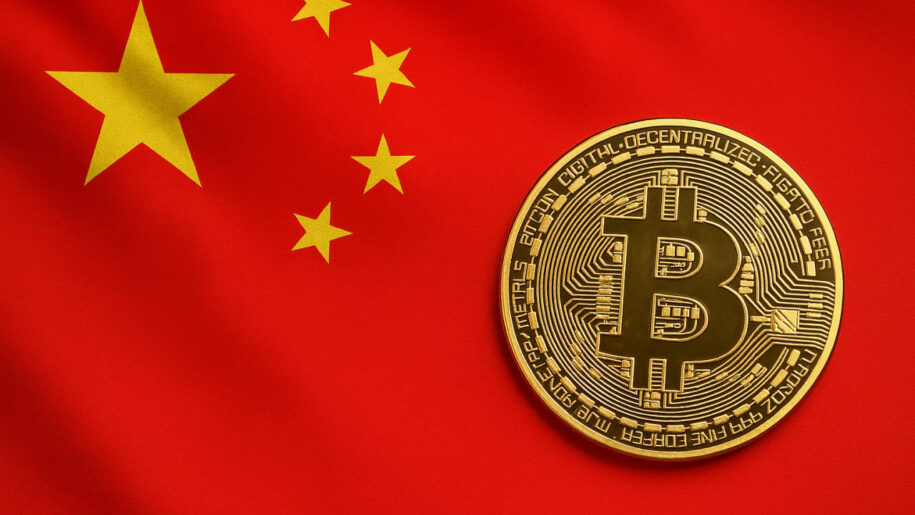
China is approaching the United States as the world’s largest holder of Bitcoin, according to updated estimates of government-controlled reserves — a development that highlights a striking contradiction in Beijing’s digital asset policy.
The shift is occurring despite China maintaining a nationwide ban on crypto trading and mining, underscoring how state-held Bitcoin can diverge sharply from public-facing regulation.
Key takeaways:
- China is nearing — and could soon surpass — the U.S. in estimated Bitcoin holdings.
- Much of China’s Bitcoin is believed to originate from asset seizures and enforcement actions.
- The development contrasts with China’s strict domestic ban on crypto activity.
How China Built Its Bitcoin Holdings
China’s Bitcoin reserves are widely understood to stem from large-scale law enforcement seizures tied to illicit activity rather than open-market purchases. High-profile crackdowns over recent years resulted in authorities confiscating substantial amounts of Bitcoin, which were subsequently consolidated under state control.
⚡️UPDATE: China is on the verge of flipping the U.S. as the top Bitcoin holder, despite maintaining a nationwide crypto ban. pic.twitter.com/ND6ZJacD0P
— Coin Bureau (@coinbureau) January 27, 2026
While Beijing has aggressively restricted private crypto usage, it has not liquidated all seized Bitcoin holdings, allowing reserves to accumulate quietly. This has placed China among the top government Bitcoin holders globally — a position that appears increasingly close to overtaking the United States.
The U.S. Approach: Seizures, Sales, and Transparency
The United States also holds a significant amount of Bitcoin, primarily acquired through seizures conducted by federal agencies. Unlike China, however, U.S. authorities have frequently opted to auction or sell portions of these holdings, returning proceeds to the Treasury.
This difference in policy has resulted in a more dynamic U.S. balance over time, while China’s holdings appear comparatively static — and potentially growing relative to U.S. reserves as fewer coins are sold.
A Strategic Contradiction
China’s rising Bitcoin position stands in stark contrast to its official stance on crypto. While the country promotes state-controlled digital finance through its central bank digital currency initiatives, it continues to ban decentralized cryptocurrencies for public use.
Yet the existence of large Bitcoin reserves suggests that, at the state level, Bitcoin is treated less as a prohibited asset and more as a strategic financial resource — even if it remains off-limits to citizens.

This dual-track approach highlights a broader reality in global crypto policy: governments may publicly discourage adoption while privately retaining exposure.
Why This Matters
Government-held Bitcoin has implications beyond symbolism. Large state reserves can influence market perceptions, policy debates, and even geopolitical narratives around monetary sovereignty and digital assets.
If China ultimately overtakes the U.S. as the largest government Bitcoin holder, it would reinforce Bitcoin’s role as a strategic asset — one that transcends ideological positions on crypto adoption.
For now, the development serves as a reminder that Bitcoin’s most significant holders are often states, not traders, and that official policy does not always tell the full story of how governments interact with digital assets behind the scenes.
The information provided in this article is for educational purposes only and does not constitute financial, investment, or trading advice. Coindoo.com does not endorse or recommend any specific investment strategy or cryptocurrency. Always conduct your own research and consult with a licensed financial advisor before making any investment decisions.



Alexander Zdravkov is a market analyst and crypto journalist with interests in economics, broader financial markets and digital assets. His journey into crypto began more than four years ago, driven by a fascination with the rapid evolution of blockchain technology and the transformative potential of decentralized finance. He began analyzing market cycles and identifying emerging trends before they reach the mainstream. He holds a degree in International Relations - a background that helped shape his broader perspective on global economics, geopolitics, and the interconnected nature of modern financial markets. Whether covering the latest developments in the crypto sector or exploring broader macroeconomic themes, Alexander focuses on giving readers context rather than simply repeating headlines. During his career, he has authored more than 10,000 articles covering cryptocurrencies, traditional finance, and global market developments. His work spans everything from Bitcoin and altcoins to macroeconomic trends influencing risk assets worldwide.