China Tightens Grip on Tokenization While Hong Kong Accelerates Blockchain Adoption
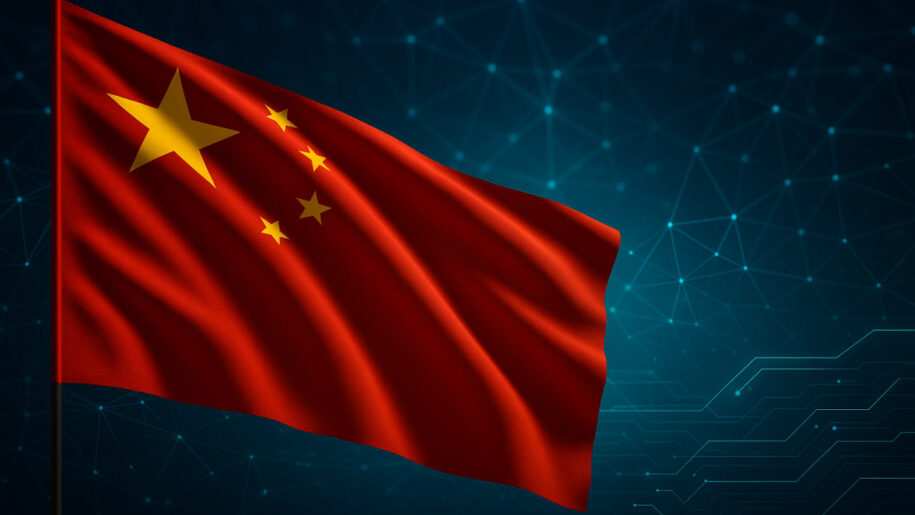
Beijing has sent a clear message to anyone hoping the country might soften its attitude toward digital assets: not happening.
A coalition of major mainland industry groups has issued a rare joint warning targeting real-world asset (RWA) tokenization, signaling that authorities remain committed to strict control over anything resembling crypto activity.
Key Takeaways
-
Mainland industry groups warn that RWA tokenization remains unauthorized and potentially illegal.
-
Foreign and domestic firms offering crypto or RWA services to Chinese users could face legal consequences.
-
Hong Kong continues moving in the opposite direction, advancing regulated tokenization pilots and digital-asset initiatives.
Mainland Groups Reject RWA Tokenization Experiments
Seven industry bodies — including China’s major banking, securities, and internet-finance associations — cautioned firms against engaging in or supporting tokenization projects. Operating under the oversight of regulators like the People’s Bank of China (PBOC) and the CSRC, these groups emphasized that the government has not authorized the issuance, trading, or servicing of tokenized assets in any form.
Their concerns span several risks: forged underlying assets, speculative behavior, and tokenized products that collapse when the businesses behind them fail. The joint notice also marks the first coordinated warning since authorities began scrutinizing RWA models, a sign that Beijing is tightening its stance just as global interest in tokenized finance expands.
Crypto Trading Remains Firmly Off-Limits in Mainland China
The warning lands amid fresh statements from China’s top regulators reaffirming crypto’s illegality. The PBOC and other major government bodies recently concluded that stablecoins fail to meet basic KYC and anti-money-laundering standards — quashing any expectation that China might follow the U.S. in taking a more accommodating view of digital assets.
For mainland-based employees at foreign companies, the rules are even harsher. According to legal analysts, the notice implies that providing RWA or crypto-related services to Chinese residents — even indirectly — could be treated as illegal financial activity. Law firms warn that organizations may now have to wall off their Chinese operations entirely to avoid compliance conflicts.

Hong Kong’s Opposite Approach Highlights a Split
While Beijing pushes firms away from tokenized finance, the story is different just across the border. Hong Kong continues to position itself as a regulated global hub for digital-asset experimentation, creating a sharp policy contrast that is already attracting companies with mainland roots.
Several Chinese financial and tech firms have begun building RWA pilots in Hong Kong throughout 2024 and 2025, though many kept a low profile after the CSRC quietly urged mainland brokerages to pause such efforts earlier in the year.
Despite that caution, the experiments continue. A Hong Kong branch of China Merchants Bank recently tokenized a $3.5 billion money-market fund on BNB Chain. The Hong Kong Monetary Authority, meanwhile, is advancing Project Ensemble — a tokenization sandbox enabling real-time settlement with tokenized deposits.
Ant Group has also been active in the pilot. During Hong Kong Fintech Week, the company revealed it had successfully used tokenized bank deposits to achieve instantaneous interbank settlement.
A Regional Divide With Global Implications
The widening gap between Beijing’s hard restrictions and Hong Kong’s regulatory openness is shaping two very different digital-asset landscapes within one nation. Mainland China is drawing firmer boundaries and warning domestic firms to steer clear of tokenized finance, while Hong Kong is racing forward with structured experimentation.
As global adoption of tokenized assets grows, this divergence raises important questions about where innovation in the region will take root — and which jurisdictions are prepared to support it.
The information provided in this article is for educational purposes only and does not constitute financial, investment, or trading advice. Coindoo.com does not endorse or recommend any specific investment strategy or cryptocurrency. Always conduct your own research and consult with a licensed financial advisor before making any investment decisions.



Alexander Zdravkov is a person who always looks for the logic behind things. He has more than 3 years of experience in the crypto space, where he skillfully identifies new trends in the world of digital currencies. Whether providing in-depth analysis or daily reports on all topics, his deep understanding and enthusiasm for what he does make him a valuable member of the team.