China Hits Back at U.S. With New Chip Investigations
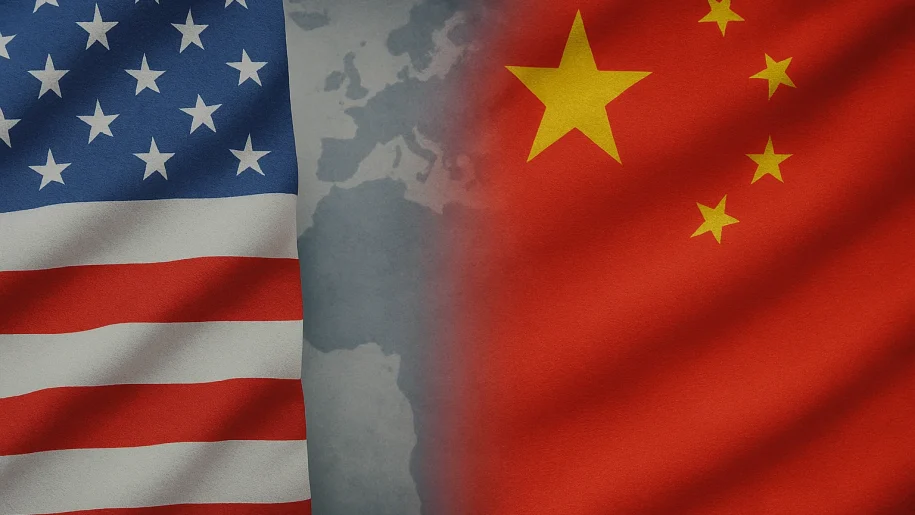
Semiconductors are once again at the center of the U.S.–China rivalry. Beijing has unveiled fresh trade investigations into the American chip industry, escalating tensions just days before the two countries sit down for long-delayed economic talks in Madrid.
China’s Ministry of Commerce announced over the weekend that it would review alleged dumping of U.S.-made analog chips, devices used in everyday electronics and sold by firms such as Texas Instruments and Analog Devices. Alongside that inquiry, Beijing is also examining what it calls discriminatory U.S. measures that have restricted China’s own semiconductor ambitions.
The timing could hardly be more pointed. Washington recently added 23 Chinese firms to its entity list, tightening controls on companies accused of undermining U.S. national security. Rather than quietly lodging objections, Beijing has made the dispute public, ensuring the issue dominates the agenda when officials gather in Spain.
Madrid Meeting on Edge
Treasury Secretary Scott Bessent will meet Vice Premier He Lifeng in the Spanish capital for several days of negotiations covering trade balances, national security, and financial oversight. Technology access is expected to overshadow everything else. The two sides had managed to pause new tariffs while exploring a broader deal, but the chip war now threatens to derail even that fragile truce.
TikTok’s uncertain future will also be on the table. President Donald Trump has said the U.S. arm of ByteDance’s platform could be worth as much as $500 billion, though the app faces yet another looming deadline to secure a deal allowing it to continue operating in the United States.
The Broader Tech Battle
The semiconductor dispute is not new. Washington has already moved to block China from acquiring cutting-edge AI accelerators and has restricted access to some mid-tier Nvidia hardware. Beijing, in turn, has started flexing its own trade tools — including its first-ever anti-circumvention probe earlier this year, which led to tariffs on U.S. optical fiber.
Officials in Beijing describe American measures as protectionist, saying they amount to a coordinated effort to slow China’s rise in advanced computing, artificial intelligence, and high-tech manufacturing. The analog chip dumping case could run for as long as 18 months, while the anti-bias review is expected to wrap up in just three.
Stakes Rising
For investors, the latest flare-up adds another layer of uncertainty for U.S. semiconductor companies already navigating export restrictions and supply-chain shifts. For policymakers, it highlights how far semiconductors have evolved from a niche industrial product into a geopolitical pressure point.
As both sides prepare to meet in Madrid, the question is whether dialogue can cool tempers or whether semiconductors will cement their role as the fault line of the global economy.
Source: Bloomberg
The information provided in this article is for educational purposes only and does not constitute financial, investment, or trading advice. Coindoo.com does not endorse or recommend any specific investment strategy or cryptocurrency. Always conduct your own research and consult with a licensed financial advisor before making any investment decisions.



Alex is Editor-in-Chief of Coindoo and co-founder of Millennial Media Group, with nearly a decade of experience covering financial markets - crypto first, then everything else. It started in 2016 with Bitcoin. Like most people at the time, he didn't fully understand it - so he kept digging. Blockchain, tokenomics, the projects, the cycles. That curiosity never stopped, and eventually pulled him into traditional markets too: equities, commodities, macro. Not because he left crypto behind, but because you can't properly understand one without the other. What drives him is straightforward: he wants to know why something is happening, not just that it's happening. Most market coverage stops at the headline - price up, price down, here's a chart. Alex finds that kind of reporting actively unhelpful. If you walk away from an article without understanding the mechanism behind the move, what did you actually learn? He holds a degree in Tourism from New Bulgarian University - not the most obvious path into financial markets, but markets have a way of pulling in people who are simply too curious to stay out. He has authored over 200 in-depth analyses and more than 10,000 articles across crypto and traditional finance. He still thinks every day in markets teaches him something new. That's probably why he hasn't stopped.