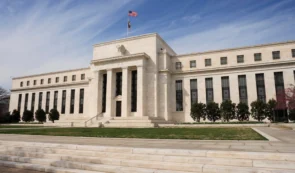
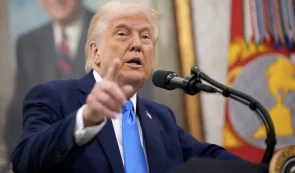
Markets are increasingly trading the idea that US monetary policy will stay accommodative well into 2026. Rather than debating whether rates will fall again, the discussion on Wall Street has shifted to how far and how fast the easing cycle could go - especially as political pressure on the Federal Reserve intensifies.
For the first time in years, Venezuela’s debt is being treated less like a write-off and more like a live opportunity.
Speculation over who will lead the US central bank next is no longer confined to Washington insiders. Financial markets have started making their own judgment, and one name is increasingly dominating those expectations.
The legal fight over President Donald Trump’s sweeping tariff policy has moved into a waiting phase, adding fresh uncertainty for markets and global trade.
The latest U.S. jobs report showed a labor market that remains steady but continues to cool, according to data released by the U.S. Bureau of Labor Statistics.
Global markets are entering the final stretch of the week with investors weighing mixed signals from equities, bonds, and policy expectations.
Behind the scenes in Washington, an idea so unusual it borders on surreal has reportedly entered internal discussions: persuading Greenland’s population to abandon Denmark and align with the United States through direct financial incentives.
Doug Casey is not known for soft landings or optimistic forecasts, and his latest outlook pushes firmly in that direction. The veteran investor believes the global financial system is nearing a critical failure point, with the United States at the center of what he expects to become a severe economic depression beginning in 2026.
The mood among US households is shifting in an uncomfortable direction. New survey data points to a public that is growing more uneasy about prices while simultaneously losing confidence in the labor market - a combination that complicates the economic outlook heading into the new year.
A widening rift is forming around U.S. monetary policy, as senior government officials argue the Federal Reserve is moving too slowly while parts of the central bank itself debate how aggressive rate cuts should be in the year ahead.
Initial jobless claims in the United States rose slightly at the start of January but still came in below market expectations, reinforcing the view that the labor market remains resilient despite signs of gradual cooling.
Rising prices may end up doing what partisan battles often fail to achieve in Washington: reshaping who holds real power.