Binance Launches Mastercard Crypto Card in CIS Markets
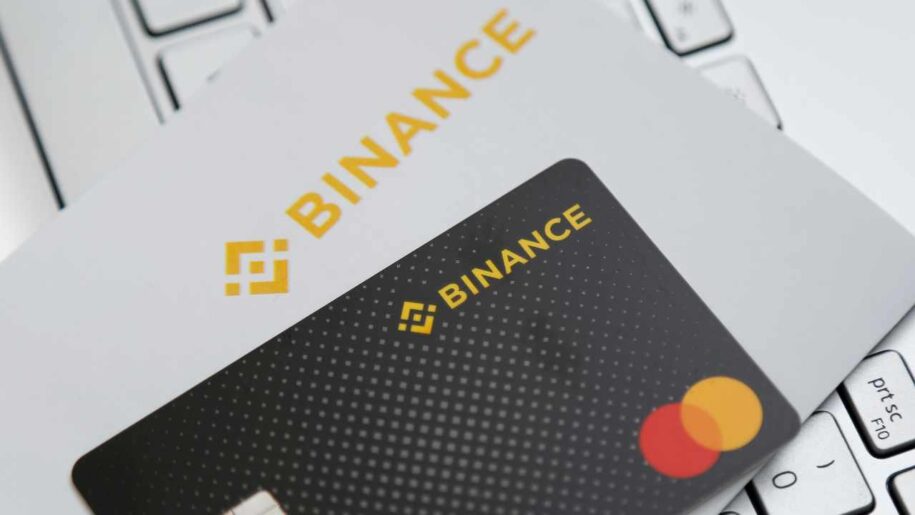
Binance has launched its prepaid Mastercard crypto card across several countries in the Commonwealth of Independent States, marking a renewed push into everyday digital asset spending.
Key Takeaways
- Binance launched its prepaid Mastercard crypto card in several CIS countries.
- Users can spend crypto via real-time conversion at over 90 million merchants.
- Kazakhstan is a key market, with added local currency integration.
- KYC is required, and the card typically has no annual fees.
The expansion, confirmed by marketing lead Anka Tsintsadze, is part of the broader “Binance Card – Global Program,” designed to connect crypto balances directly to global payment infrastructure.
Through the partnership with Mastercard, users can now spend their digital assets at more than 90 million merchants worldwide. The move strengthens Binance’s position in regions where crypto adoption is already high and demand for practical “off-ramp” solutions continues to grow.
Launch Focused on Key CIS Markets
The rollout includes major markets such as Kazakhstan, with potential availability in countries like Moldova and Kyrgyzstan, where Binance services are active. The strategy appears targeted at jurisdictions that combine rising digital asset usage with expanding fintech infrastructure.
In Kazakhstan, Binance has recently integrated direct Mastercard deposits and withdrawals in local currency, the Kazakhstani tenge, narrowing the gap between crypto exchanges and domestic banking rails. This infrastructure layer is critical in regions where users want smoother transitions between digital assets and everyday spending.
Pay in crypto. Merchants get fiat (or crypto). Best way to push crypto payments and adoption. https://t.co/Qdo8hs2jYT
— CZ 🔶 BNB (@cz_binance) February 13, 2026
How the Card Works
The Binance prepaid card automatically converts cryptocurrency into local fiat currency at the point of sale. Funds are drawn from a user’s Spot or Funding wallet, with real-time conversion executed during the transaction.
Under the current global structure, the program prioritizes virtual cards. Users can link them to mobile wallets such as Google Pay or Apple Pay, enabling contactless payments without requiring a physical card.
Depending on regional promotions, cardholders may also earn between 2% and 8% cashback in crypto on eligible purchases, adding an incentive layer for active users.

A Rebuilt Partnership
The expansion follows a period of regulatory friction. In 2023, Mastercard temporarily paused its collaboration with Binance amid compliance reviews. Services gradually resumed and expanded throughout 2024 and 2025, culminating in the current CIS rollout.
The renewed cooperation signals a more stable operational footing for Binance’s payment ambitions, especially as regulators across multiple jurisdictions clarify rules around crypto-linked financial products.
Eligibility and Access
To apply, users must maintain a verified Binance account with completed KYC procedures. Applications can be submitted directly through the “Card” section of the Binance mobile app.
The card typically carries no issuance or annual fees, although transaction and conversion charges may apply depending on the asset used.
With this launch, Binance is not just adding another feature – it is strengthening the bridge between crypto holdings and real-world commerce in one of the most digitally active regions outside Western Europe and North America.
The information provided in this article is for educational purposes only and does not constitute financial, investment, or trading advice. Coindoo.com does not endorse or recommend any specific investment strategy or cryptocurrency. Always conduct your own research and consult with a licensed financial advisor before making any investment decisions.



Alexander Zdravkov is a person who always looks for the logic behind things. He has more than 3 years of experience in the crypto space, where he skillfully identifies new trends in the world of digital currencies. Whether providing in-depth analysis or daily reports on all topics, his deep understanding and enthusiasm for what he does make him a valuable member of the team.