

The crypto industry has never spent this much against one politician. Sherrod Brown still narrowly leads Ohio’s Senate race, and the industry’s deeper worry is where he could land next.c


Journalist


Kosta has reported on cryptocurrency markets and blockchain infrastructure since 2020, bringing over six years of hands-on experience in the crypto industry built through daily tracking of markets, trends, and emerging blockchain developments. Specializing in Bitcoin on-chain analysis, institutional ETF flows, and digital asset price action, his work at Coindoo has been cited by other news agencies and consistently covers market developments with a focus on data-driven reporting across Bitcoin, Ethereum, Solana, and XRP. Over the years, Kosta has contributed to multiple crypto media outlets in different regions, authoring over 6,000 articles across the sector. His reporting spans cryptocurrency markets and the broader fintech industry, tracking not only price action but also the technological and regulatory forces shaping the ecosystem. To support his analysis, Kosta actively leverages on-chain data and metrics from leading platforms such as Santiment, Glassnode, and CryptoQuant, enabling deeper, evidence-based market insights. He believes in the power of transparency and the data that underpins the blockchain ecosystem. His academic background in Marketing Management from Denmark further complements his analytical approach, adding a strong understanding of communication strategy and content positioning to his work.
The crypto industry has never spent this much against one politician. Sherrod Brown still narrowly leads Ohio’s Senate race, and the industry’s deeper worry is where he could land next.c
Ethereum is holding just above a trendline that dates back to 2021, with its 200-day average and Fibonacci midpoint stacked on top, while a cluster of resistance waits near $2,500.

Aave blocked new loans against tBTC after Threshold paused Bitcoin redemptions, exposing the difference between owning a Bitcoin-backed token and being able to redeem it.

Canada’s revised crypto rules begin applying on November 1 to October-year-end banks, changing how eligible hedges and client-clearing trades affect their capital and exposure calculations.

The FBI has blamed North Korea for Binance’s multibillion-dollar theft and asked crypto infrastructure operators to block linked transactions, testing how much control those services actually have.

Morpho has climbed about 15% in a single session, reclaiming two long-term averages it lost this week, and now sits just below the last one still overhead.

A bank can legally own a tokenized bond and still need a central bank’s, a settlement operator’s and a lender’s approval before it can turn that bond into cash.

Stacks has bounced about 7% off the area just above its 100-day average, reclaiming its Fibonacci midpoint, but the level that decides the rebound still sits about 8% higher.

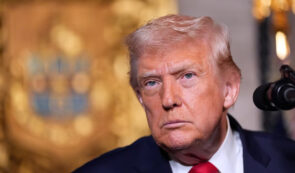
President Donald Trump is looking at whether North Korea was behind Binance’s $6.3 billion hack, as US agencies investigate and private trackers point to a known Pyongyang unit.
Tether’s reserve buffer nearly doubled to $8 billion in the third quarter, but the increase outpaced operating profit and came alongside a shift in the assets backing USDT.

Bitcoin has slid into the $76,000 zone where its 0.382 Fibonacci level, 100-day average and September low meet, with daily RSI at its lowest since the June-July bottom.

The Binance attacker deposited stolen USDT on Aave and borrowed ether before markets were frozen, leaving a collateralized loan behind while moving the proceeds beyond a stablecoin issuer’s blacklist.
