5 Differences Between Digital Wallets and Crypto Wallets Indian Gamers Should Know
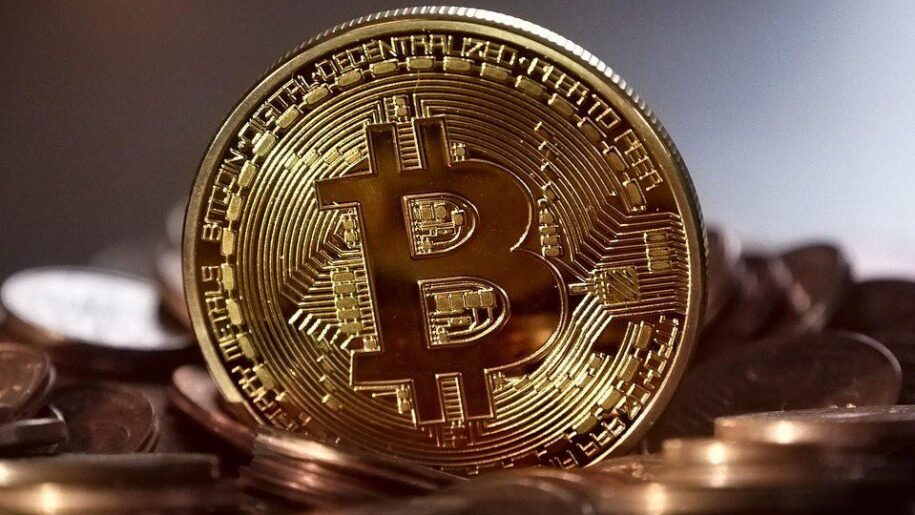
Digital and crypto wallet differences guide Indian gamers in 2025, helping payment choices stay clear and informed. Discover the key points before playing.
Indian gaming payments rely on clear contrasts between digital wallets and crypto wallets, because each system follows its own rules for money control, privacy and speed. These payment contrasts influence how players deposit, withdraw and manage funds across regulated and decentralised environments in India.
Here is a detailed and informative breakdown of the five most important differences between digital wallets and crypto wallets, along with practical examples and current trends shaping how Indian players use them today.
What Defines the Differences Between Digital Wallets and Crypto Wallets?
Differences between digital wallets and crypto wallets define how Indian players organise payments, because each option manages value, identity and security in separate ways. These differences also influence which environments users choose when moving money in gaming contexts.
India’s expanding digital finance sector introduces more choice, making wallet clarity a top priority. Players now pick payment tools based on risk tolerance, privacy needs and familiarity with banking or blockchain systems.
Why Do These Wallet Differences Matter for Indian Players?
Find below a list of the reasons these wallet differences matter for Indian players.
- Safety impact. Safety impact explains how each wallet model manages risk and it helps players understand which system protects money with fewer complications. Safety impact influences comfort during deposits and withdrawals.
- Processing structure. Processing structure determines how fast payments move and it affects predictability during gaming transactions. Processing structure guides users toward methods that match their timing needs.
- Financial habits. Financial habits shift based on whether someone prefers regulated fiat tools or decentralised blockchain options and it shapes long-term behaviour. Financial habits influence how players organise budgets.
- Privacy preference. Privacy preference identifies how much personal information a player wants attached to payments and it separates identity-linked digital wallets from pseudonymous crypto tools. Privacy preference becomes important for users who value discretion.
What Are the Five Core Differences Between Digital Wallets and Crypto Wallets?
Find below a list of the five core differences between digital wallets and crypto wallets.
- Currency type. Currency type separates rupee balances from blockchain assets and it shapes how players measure value. The type of currency influences how payments move across bank networks or decentralised chains.
- Regulation. Regulation creates formal oversight for digital wallets but not for decentralised crypto tools and it defines how users receive protection. This structure affects dispute handling and user accountability.
- Security level. Security level shifts between recoverable access in digital apps and private-key control in crypto systems and it dictates how carefully players must manage credentials. This contrast influences risk perception.
- Transaction structure. Transaction structure depends on banking rails or blockchain validators and it affects speed, cost and global availability. This factor guides how players time deposits and withdrawals.
- Privacy level. Privacy level differs between identity-linked fiat platforms and pseudonymous blockchain addresses and it determines how visible payments are to institutions. This difference appeals to different user groups.
Wallet contrasts fall into five categories because currency type, regulation, security, processing and privacy all diverge across these systems. These differences create distinct financial behaviours during gaming payments.
How Does Currency Type Influence Wallet Differences?
Differences between digital wallets and crypto wallets begin with currency type, because one stores rupees and the other stores blockchain assets. These differences affect availability, volatility and conversion steps during payments.
Digital wallets function like online versions of bank accounts, reflecting real rupee balances through apps like PhonePe, Paytm and Google Pay. This is why reputable online casinos like BETVIBE India support multiple payment methods. Crypto wallets store tokens like Bitcoin (BTC), Ethereum (ETH), USDT, Litecoin (LTC), Solana (SOL), Ripple XRP, Tron (TRX), Avalanche (AVAX) and Cardano (ADA), with value recorded on decentralised networks.
How Does Regulation Separate Digital Wallets From Crypto Wallets?
Differences between digital wallets and crypto wallets become clear through regulation, because digital wallets follow RBI standards while crypto wallets operate without direct national control. These differences influence user protection and accountability.
Digital wallets require identity verification, financial checks and compliance with payment rules. Users access dispute resolution, recovery systems and regulated security structures.
Crypto wallets operate independently of banking authorities. Only exchanges that convert crypto into fiat may follow formal rules. Users must track activity, report gains and maintain secure access without external assistance. Younger players often prefer crypto for freedom and privacy, while others remain within regulated digital ecosystems.
How Does Security Create Separation Between Digital Wallets and Crypto Wallets?
Security contrasts define much of the separation because digital wallets rely on platform-managed authentication while crypto wallets depend on personal control through private keys. These differences define how much responsibility falls on the user.
Digital wallets use encrypted servers, multi-factor authentication and recovery checks. A forgotten password or locked account can be fixed through identity confirmation.
Crypto wallets are popular among experienced gamers who understand blockchain technology and want more independence from traditional banking. Hardware wallets, on the other hand, suit long-term storage and software wallets suit active use.
How Does Transaction Structure Highlight Wallet Differences?
Transaction structure differs sharply because banking networks manage fiat movement while blockchain validators manage crypto transfers. These differences influence speed, reliability and cost.
Digital wallets rely on bank infrastructure, which usually performs quickly but can slow during peak activity. International transfers may add processing time and fees.
Crypto networks validate payments through decentralised nodes. Bitcoin settles in minutes, while networks like USDT and Litecoin often complete even faster. Costs vary based on blockchain activity, offering efficient options for cross-border payments.
How Do Privacy Levels Separate Digital Wallets From Crypto Wallets?
Differences between digital wallets and crypto wallets become most visible in privacy levels, because each method treats user identity, transaction visibility and data storage in separate ways. These differences in privacy influence how Indian players judge comfort, discretion and long-term financial exposure during gaming payments.
Digital wallets attach every payment to verified personal details, linking transactions to bank records, phone numbers and government-issued identification. This linkage supports regulation but leaves a complete trail that financial institutions can review at any time.
Crypto wallets replace personal identifiers with blockchain addresses, showing transaction movement without displaying names or account details. This pseudonymous structure appeals to users who want to limit how much personal information is connected to their gaming activity.
Regional reports in 2025 show rising interest in crypto payments in states where digital transactions are monitored more strictly, indicating a shift toward methods that minimise direct identity visibility.
How Should Indian Players Compare Both Wallet Types?
Differences between digital wallets and crypto wallets guide how Indian players compare both tools, because each option serves a different priority across control, privacy and transaction behaviour. These wallet contrasts help users decide which method aligns with their financial habits and comfort levels.
Players who want regulated oversight, familiar interfaces and rupee-based payments often choose digital wallets, which offer predictable structures. Users who value independence, faster global transfers and reduced identity exposure often choose crypto wallets, which provide broader control.
Indian players combine both approaches by using digital wallets for everyday domestic payments and crypto wallets for gaming deposits or cross-border activity, creating a balanced system that fits multiple needs.


Krasimir Rusev is a journalist with many years of experience in covering cryptocurrencies and financial markets. He specializes in analysis, news, and forecasts for digital assets, providing readers with in-depth and reliable information on the latest market trends. His expertise and professionalism make him a valuable source of information for investors, traders, and anyone who follows the dynamics of the crypto world.