10 Top Cheap NFTs to Buy in 2026

Blue-chip NFT collections such as CryptoPunks and Bored Ape Yacht Club continue dominating headlines, but their high floor prices place them well beyond the reach of most collectors.
Even after several years of market corrections, acquiring a premium NFT often requires thousands of dollars, prompting many investors to look for lower-cost alternatives with stronger long-term utility.
Fortunately, the NFT market in 2026 looks very different from the speculative frenzy that defined the previous cycle. Instead of chasing profile-picture collections fueled by hype, buyers are increasingly focusing on gaming assets, sports collectibles, digital memberships and creator ecosystems built on scalable blockchains like Solana, Polygon, Base and Bitcoin.
The emphasis has also shifted from speculation toward functionality. Many affordable NFTs now provide in-game benefits, governance rights, exclusive community access or exposure to growing digital ecosystems rather than existing purely as collectibles.
Whether you’re entering the NFT market for the first time or expanding an existing portfolio without spending thousands of dollars, there are still plenty of projects worth considering.
This guide examines ten affordable NFT projects that continue attracting users in 2026 based on accessibility, liquidity, utility and ecosystem development.
NFT Market in 2026: Why Cheap NFTs Still Matter
The NFT industry has matured considerably since its explosive growth during 2021 and 2022. Following two years of declining trading volumes, the market has stabilized as collectors increasingly prioritize long-term utility over short-term speculation.
Gaming remains one of the strongest growth drivers. Instead of purchasing static collectibles, users increasingly buy characters, equipment, cosmetics and virtual land that can be used across blockchain-based games. Sports collectibles have also maintained strong demand through licensed platforms that combine NFTs with fantasy competitions and digital ownership.
Meanwhile, independent creators continue embracing low-cost networks such as Base and Polygon, allowing collectors to purchase digital artwork for only a few dollars without paying expensive Ethereum gas fees.
Another major trend is the growing importance of blockchain selection. Although Ethereum remains home to many of the industry’s largest collections, networks such as Solana, Polygon, Immutable and Base now account for a growing share of NFT activity because they offer significantly lower transaction costs.
For new collectors, that means affordability no longer comes at the expense of quality.
How We Selected the Best Cheap NFTs
Rather than ranking collections solely by price, we evaluated each project using five key criteria.
1. Accessibility
Every NFT on this list offers a relatively low entry point compared with blue-chip collections. Most projects can be purchased for under $100, while several remain available for less than $20.
2. Utility
Projects that provide tangible functionality received higher rankings than purely speculative collectibles. Examples include gaming assets, fantasy sports cards, creator memberships and virtual world wearables.
3. Liquidity
Strong secondary-market activity is essential. Collections with active trading volumes generally provide better pricing transparency and make it easier for collectors to buy or sell assets.
4. Community
Healthy communities remain one of the strongest indicators of long-term sustainability. Projects with active developers, engaged holders and regular ecosystem updates ranked higher than inactive collections.
5. Ecosystem Development
We evaluated each project’s roadmap, partnerships and ongoing development. Collections backed by expanding ecosystems generally offer stronger long-term prospects than projects with limited innovation.
Where to Buy Cheap NFTs
Choosing the right marketplace is almost as important as choosing the NFT itself. Several platforms now specialize in affordable digital collectibles while supporting multiple blockchain networks.
OpenSea remains the largest multi-chain NFT marketplace and supports Ethereum, Polygon and Base.
Magic Eden dominates NFT trading on Solana while also supporting Bitcoin Ordinals and Ethereum collections.
Tensor has become a leading marketplace for professional Solana NFT traders thanks to its advanced analytics and liquidity tools.
Collectors interested in fantasy sports can purchase NFTs directly through Sorare, while basketball fans can access officially licensed digital collectibles through NBA Top Shot.
Before purchasing any NFT, always verify that the marketplace links to the project’s official website and smart contract.
Top 10 Cheap NFTs Worth Buying in 2026
1. Sorare Limited Cards
- Launched: 2019
- Blockchain: Ethereum
- Typical Entry Price: $5 – $20
- Marketplace: Sorare
Sorare bridges digital ownership with fantasy sports by using NFT cards as playable assets in licensed football, NBA, and MLB competitions.
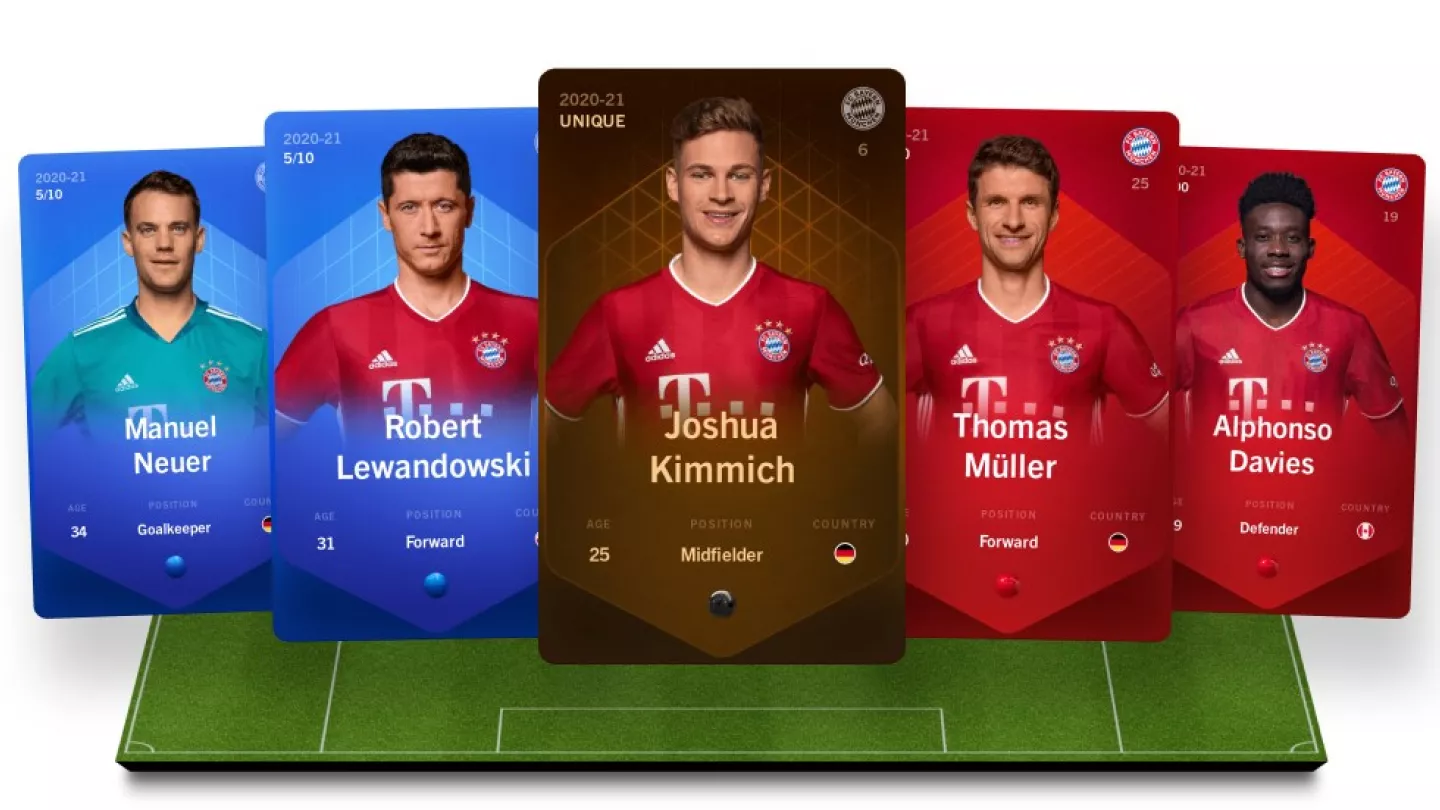
Unlike speculative NFTs, Sorare cards provide active utility. In our testing, the platform’s integration with official league data (via Opta) creates a reliable, high-engagement loop. While entry-level “Limited” cards are affordable, users should note that asset value is tied to real-world player performance and volatility.
The platform maintains partnerships with hundreds of professional clubs and leagues worldwide, giving the ecosystem one of the strongest foundations in Web3 sports. While rare cards command premium prices, Limited cards remain accessible to newcomers and continue trading actively on the secondary market.
- Platform Strengths: Official licensing, high-frequency tournament participation, and robust secondary market liquidity.
- Key Risks: Asset value fluctuates based on real-world athletic performance, injury reports, and league season cycles.
Quick Stats:
- Best For: Sports fans seeking utility-driven NFTs.
- Infrastructure: Multi-chain (Solana/Base) for improved transaction efficiency.
2. NBA Top Shot Moments
- Launched: 2020
- Blockchain: Flow
- Typical Entry Price: $1 – $20
- Marketplace: NBA Top Shot
NBA Top Shot serves as a marketplace for officially licensed NBA highlights, known as “Moments,” minted on the Flow blockchain.
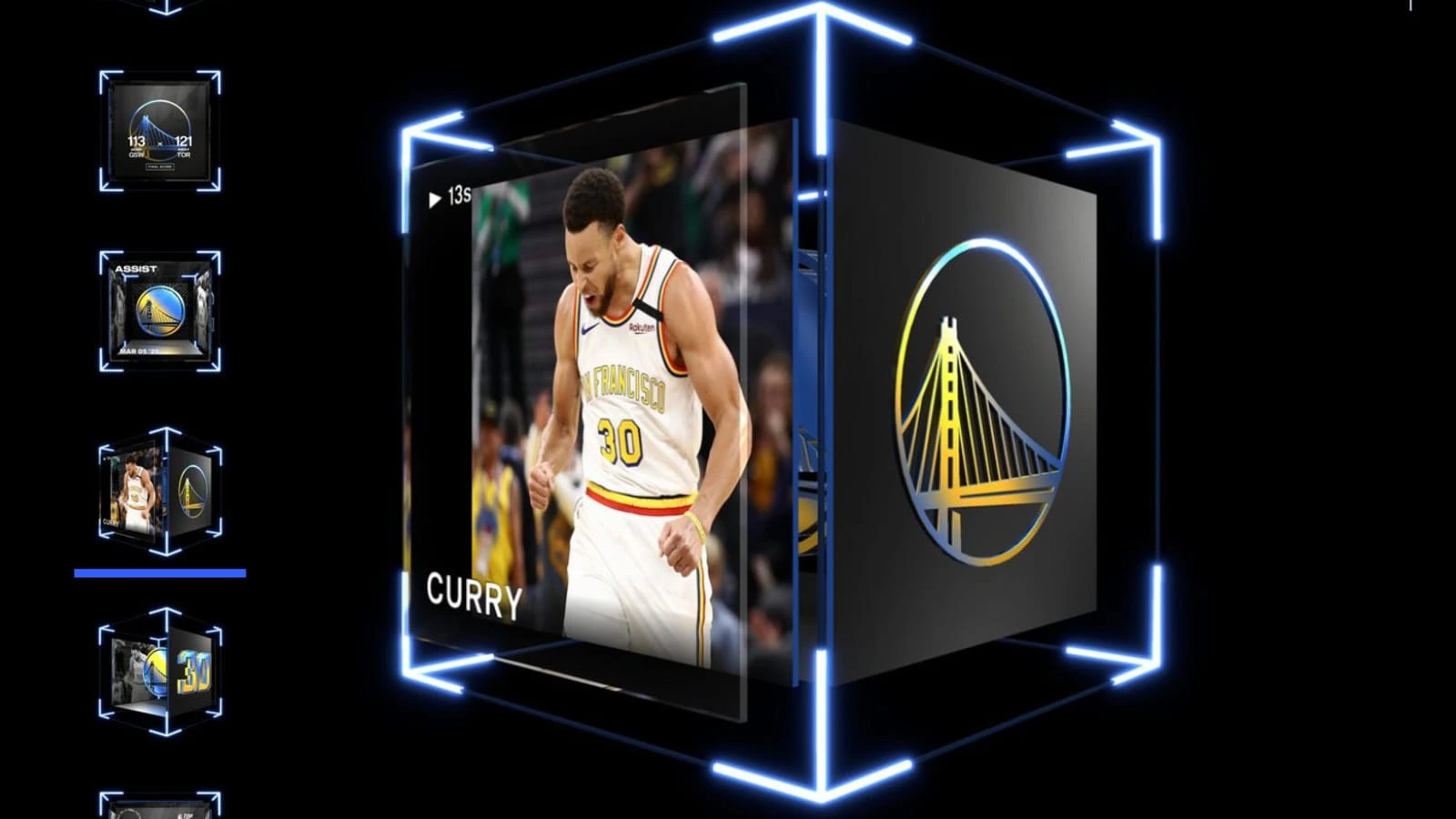
Unlike traditional digital art, Top Shot focuses on the scarcity of specific game plays. As of 2026, the platform has shifted toward “on-chain permanence,” meaning video assets and metadata are stored on decentralized infrastructure (IPFS) rather than private servers. This mitigates the “platform-risk” concern common in early NFT projects. While entry-level “Moments” are highly affordable, the platform’s value is increasingly driven by gamified elements like “Team Leaderboards” and challenge-based rewards.
3. Magic Eden Launchpad Collections
- Blockchain: Solana
- Typical Entry Price: Under 1 SOL
- Marketplace: Magic Eden
Magic Eden has consolidated its infrastructure to serve as the premier platform for the Solana ecosystem. Its “Launchpad” provides developers and creators with a gateway to mint collections, while providing collectors with early access to emerging gaming and digital art projects.
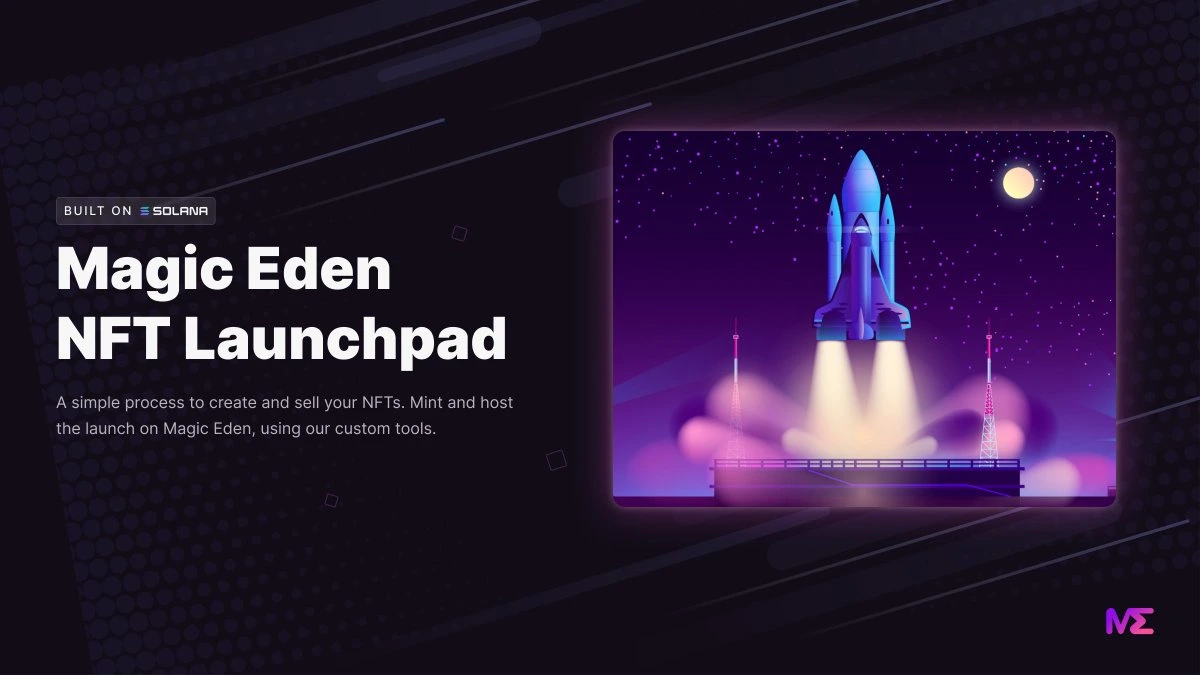
Magic Eden’s value proposition has shifted toward high-performance Solana integration following the platform’s strategic sunsetting of its multi-chain (EVM/Bitcoin) marketplaces. The Launchpad maintains a rigorous vetting process—accepting approximately 3% of applicants – which acts as a filter for project quality. However, users should remain aware that launch-day volatility is high. While entry prices can be low (often under 1 SOL), participation requires a firm understanding of smart contract interaction and secondary market liquidity risks.
- Platform Strengths: Institutional-grade vetting for new mints, deep integration with Solana’s high-throughput infrastructure, and active liquidity.
- Key Risks: High market volatility during initial mints and a reduced asset pool following the platform’s 2026 pivot away from multi-chain support.
Quick Stats:
- Best For: Solana-focused collectors and participants in early-stage gaming mints.
- Tech Status: Exclusively Solana-focused (as of April 2026).
4. Base Creator Collections
- Blockchain: Base
- Typical Entry Price: $5 – $30
Base has effectively solved the “high gas fee” barrier that plagued earlier Ethereum-based NFT projects. In our testing, transaction costs consistently remained under $0.05, making it a viable environment for high-frequency interaction and micro-collections. Notably, the network is currently transitioning to a custom unified stack, distancing itself from its original reliance on the Optimism (OP) stack.
Many Base collections emphasize community participation, digital identity and creator engagement rather than scarcity alone. As adoption of Base continues growing, NFT activity is expected to expand alongside the broader ecosystem.
As of mid-2026, the Base network has emerged as a primary hub for consumer-facing digital assets, leveraging a unique “distribution machine” model by channeling Coinbase’s 120 million registered users into its on-chain ecosystem.
This pivot is designed to increase development velocity and network autonomy. While the ecosystem excels in community-driven projects, collectors should be aware that the lack of legacy “blue-chip” history means volatility remains significantly higher than on Ethereum Mainnet.
- Platform Strengths: Direct integration with Coinbase’s user base, sub-cent transaction costs, and massive growth in daily active addresses.
- Key Risks: The network’s rapid transition to an independent stack may create short-term interoperability friction; liquidity for non-native assets remains fragmented.
Quick Stats:
- Best For: Creators building community-first projects and collectors prioritizing low-friction transactions.
- Infrastructure Status: Currently migrating to a custom, independent stack for improved throughput.
5. The Sandbox Wearables
- Blockchain: Polygon
- Typical Entry Price: $10 – $50
The Sandbox has matured into a user-generated content (UGC) gaming platform where NFTs function as functional assets. Beyond digital collectibles, assets like wearables and avatars serve as interoperable items across the ecosystem’s various experiences.
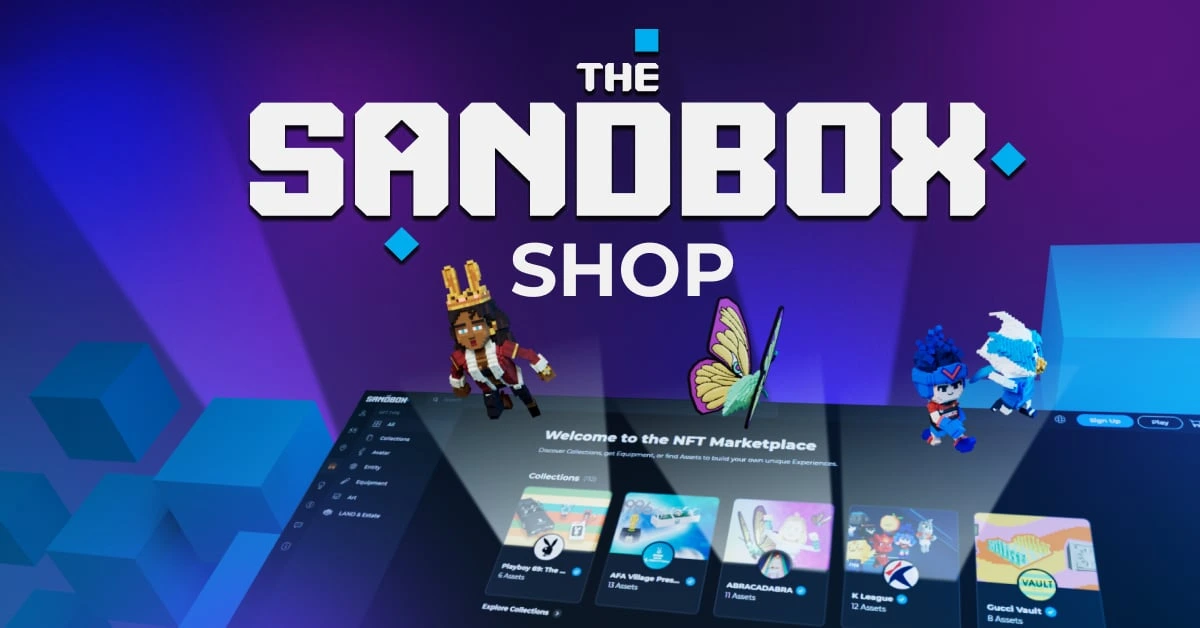
As of mid-2026, The Sandbox has shifted its focus from speculative land-flipping to sustainable, creator-led production. During our testing, we found that utility is now anchored in the “Game Maker” and “VoxEdit” toolsets, which allow users to build and monetize their own interactive experiences. The platform’s recent expansion into mobile, specifically the Sandbox NEXT series built on Unreal Engine, significantly lowers the barrier to entry compared to the earlier PC-only desktop client. However, users should note that asset value is tied to platform engagement; these are not “passive” collectibles but active inputs for a digital economy.
- Platform Strengths: Robust creator tooling (no-code), active brand licensing partnerships, and an evolving mobile-first strategy that increases potential user reach.
- Key Risks: High dependence on platform-wide user retention and content quality; asset value is highly volatile and sensitive to the platform’s ability to maintain a competitive edge against traditional gaming rivals.
Quick Stats:
- Best For: Creators, game designers, and players looking for utility-based digital fashion.
- Infrastructure Status: Actively integrating mobile experiences to complement PC-based world-building.
6. Illuvium Assets
- Launched: 2021
- Blockchain: Immutable
- Typical Price: $20–100
- Marketplace: IlluviDEX, Immutable Marketplace
Illuvium represents a shift in blockchain gaming, moving away from simple “play-to-earn” mechanics toward a sustainable, multi-title ecosystem built on Unreal Engine 5. It integrates three distinct titles – Overworld (exploration), Arena (tactical combat), and Zero (industrial building) – into a single, unified digital economy.
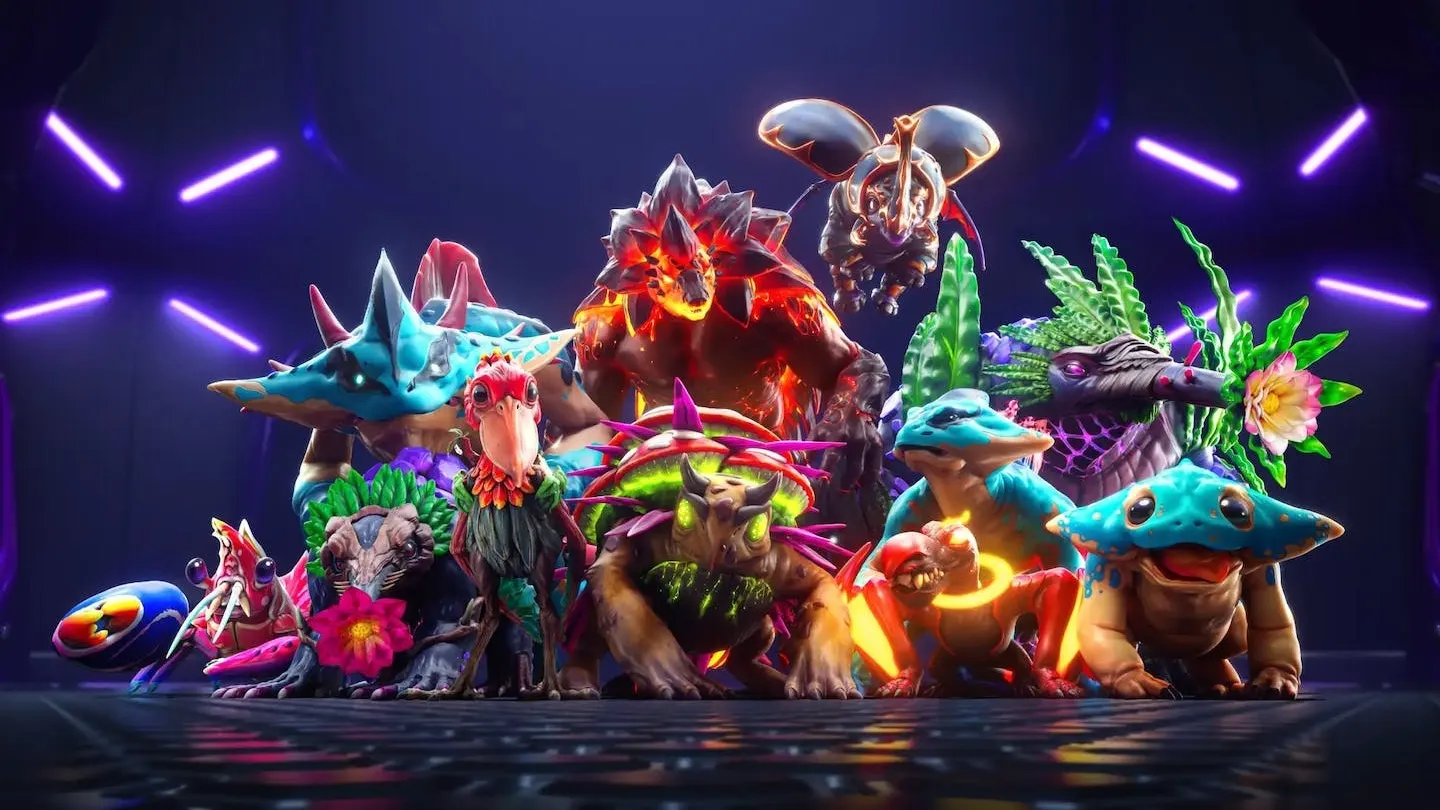
As of mid-2026, Illuvium has successfully transitioned to a mobile-first design strategy, which has significantly lowered the barrier to entry for mainstream gamers. In our testing, the core strength remains its “interoperability”: resources and creatures earned in Overworld or Zero serve as functional inputs for the Arena battle rosters. This creates a “closed-loop” economy where assets have inherent utility. However, users should note that as a “high-beta” asset, its valuation is tied to the platform’s ability to maintain a consistent player base and the efficacy of its “sink” mechanics (e.g., fuel and skin consumption) designed to mitigate inflationary pressure.
- Platform Strengths: AAA-grade graphical fidelity, cross-game asset utility (reducing obsolescence risk), and a mature DAO-governed economy with over $150M in cumulative vault revenue.
- Key Risks: High dependence on ongoing user engagement and long-term content delivery. As a speculative ecosystem, asset value is susceptible to broader gaming market cycles and regulatory volatility.
Quick Stats:
- Best For: Strategy-focused gamers and those seeking long-term exposure to an integrated blockchain ecosystem.
- Infrastructure: Built on Immutable X (gas-free Layer 2) to ensure seamless, low-friction trading via the official IlluviDEX.
7. Big Time Cosmetics
- Launched: 2023
- Blockchain: Ethereum
- Typical Price: $10–75
- Marketplace: OpenLoot
Big Time is a multiplayer action RPG that utilizes a “player-driven” economic model. Unlike traditional games where developers control the supply of cosmetic items, Big Time empowers players to craft, upgrade, and trade cosmetic NFTs via an ecosystem built on the Open Loot platform.
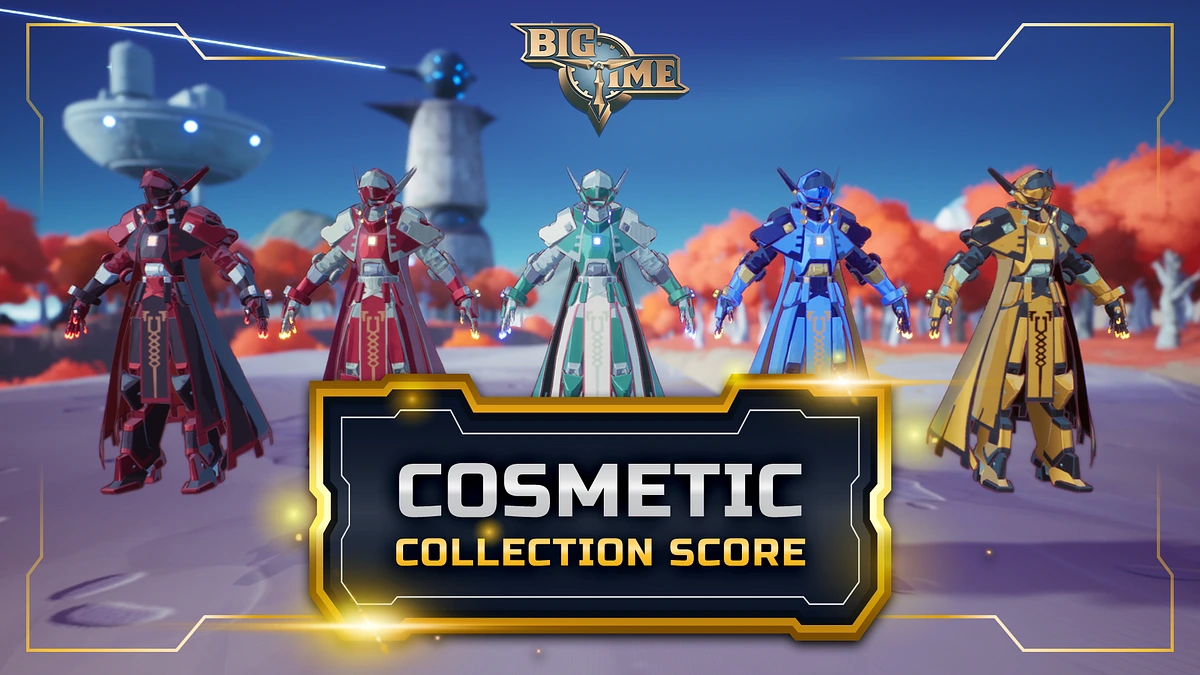
As of mid-2026, Big Time has moved beyond its initial hype phase into a mature operational cycle. In our testing, we found that the game’s core strength is its “utility-first” approach: cosmetic NFTs are not merely aesthetic; they are required inputs for crafting and upgrading within the game’s Forge and Armory workshops. However, the game presents a complex economic reality.
The $BIGTIME tokenomics are governed by a “fair launch” model, but the secondary market is currently experiencing high sensitivity to exchange liquidity shifts and periodic token unlock schedules. Players should view these assets as game-utility tools rather than speculative investments.
- Platform Strengths: A robust, player-led crafting economy, high-fidelity action combat, and a clear separation between “Game-Earned” items and “Purchased” utility assets.
- Key Risks: The ecosystem faces significant market volatility, compounded by reduced derivatives liquidity following recent exchange-wide delistings of altcoin futures in early 2026. Asset values are heavily dependent on ongoing player retention and the platform’s ability to balance token emission rates.
Quick Stats:
- Best For: Active gamers interested in the intersection of ARPG mechanics and Web3 crafting.
- Economic Model: Player-driven; workshop owners (Forges/Armories) are central to the production of skin NFTs.
8. Decentraland Wearables
- Launched: 2020
- Blockchain: Polygon
- Typical Price: $10 – $50
- Marketplace: Decentraland Marketplace
Decentraland operates as a browser-based, decentralized 3D virtual world governed by a DAO. Unlike centralized gaming platforms, it offers user-owned virtual real estate and identity assets authenticated on the Ethereum and Polygon blockchains.
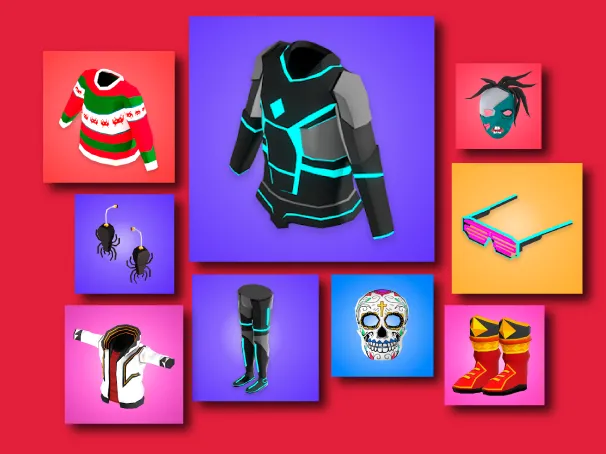
Decentraland remains a stable, albeit niche, social environment. Its value proposition has shifted away from speculative “land flipping” toward community-led events and enterprise-grade virtual experiences. We observed that wearable NFTs are the platform’s most accessible entry point; these assets function as visual identifiers in social spaces and are fully tradable on the secondary market.
However, users should note that transaction volume is currently modest. While brand partnerships (e.g., fashion and entertainment) provide visibility, asset value is highly sensitive to overall platform adoption and the success of the new “Regenesis” mobile client.
- Platform Strengths: Established infrastructure with a proven track record, DAO-based governance that prevents unilateral platform changes, and consistent (if niche) brand-led engagement.
- Key Risks: High market volatility for the native $MANA token, intense competition from modern gaming platforms with superior graphical fidelity, and a need for broader user adoption to sustain healthy liquidity in the wearables marketplace.
Quick Stats:
- Best For: Long-term community members and users interested in decentralized, browser-accessible virtual social spaces.
- Infrastructure Status: Actively integrating performance-focused mobile clients to reduce the barrier to entry.
9. Bitcoin Ordinals
- Launched: 2023
- Blockchain: Bitcoin
- Typical Price: $20 – $100
- Marketplace: Magic Eden, OKX
Bitcoin Ordinals are a protocol that assigns a unique identifier to individual Satoshis (the smallest unit of Bitcoin), allowing data – such as images, text, or code – to be inscribed directly into the witness data of a transaction. Unlike traditional NFTs that often rely on centralized servers (IPFS), Ordinals are “Digital Artifacts” stored permanently on the Bitcoin blockchain itself.
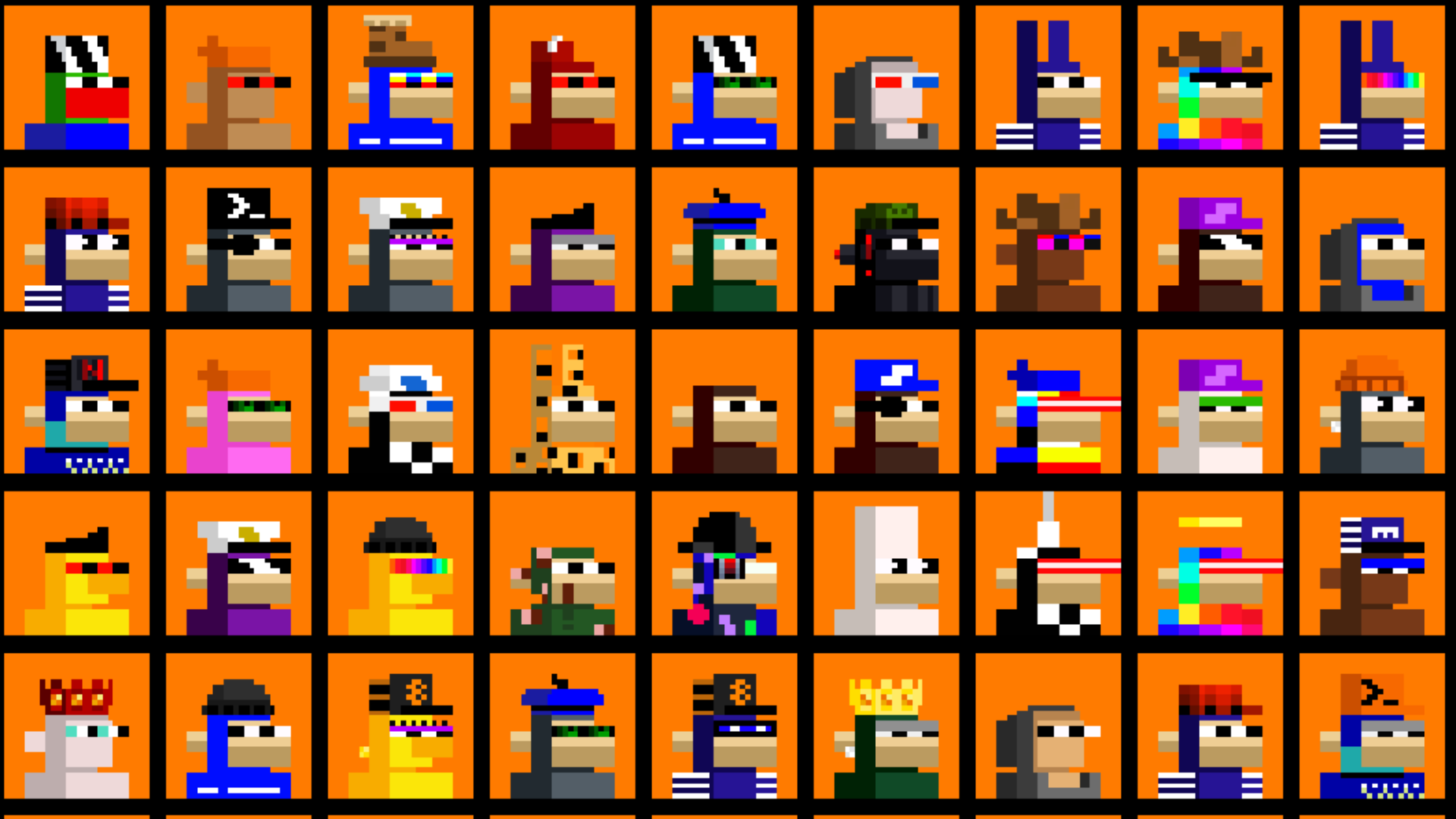
As of 2026, the Ordinals ecosystem has matured significantly. The protocol has moved past its initial experimental phase, and modern wallet infrastructure (e.g., Xverse, Leather) now natively supports “UTXO Locking,” which mitigates the significant risk of accidentally spending your inscription. During our testing, we found that while the “recursive inscription” technique has made it cheaper to mint complex generative collections, the market has become increasingly bifurcated: high-value “genesis” inscriptions are treated as historical artifacts, while newer mints are largely valued based on their utility within the BRC-20 or experimental token ecosystems.
- Platform Strengths: True immutability (data lives on the Bitcoin mainnet), a vibrant developer community, and a proven track record of security despite high network fees.
- Key Risks: The primary risk remains “accidental spending” if you do not use a wallet with proper UTXO management. Additionally, liquidity can be fragmented across different marketplaces, and market volatility is extreme compared to established assets.
Quick Stats:
- Best For: Long-term collectors, Bitcoin purists, and those interested in on-chain provenance.
- Infrastructure Status: Mature. Marketplaces now feature standardized rarity filters and advanced indexing.
10. Polygon Independent Art Collections
- Blockchain: Polygon
- Typical Price: $5 – $30
- Marketplace: OpenSea, Rarible
Polygon serves as a core settlement layer for the Ethereum ecosystem, processing over 7 billion transactions with 99.99% uptime. By 2026, it has transitioned from a simple scaling solution into a robust institutional platform favored by enterprises for tokenizing real-world assets (RWA) and high-volume creator payments.

Polygon maintains its position as the most cost-effective environment for high-frequency NFT activity, with average minting costs remaining at roughly $0.004. Unlike its 2021 iteration, the network is now deeply integrated with enterprise-grade tooling, such as Polygon CDK and zkEVM, which allow for “customized” chains. While Ethereum Mainnet remains the “gold standard” for high-value collectibles, Polygon has become the industry standard for loyalty programs, commemorative digital stamps, and micro-transaction-heavy gaming assets.
- Platform Strengths: Exceptional gas efficiency ($0.002 average fee), near-instant two-second finality, and massive institutional adoption (e.g., Visa, Meta, and various global postal services).
- Key Risks: Asset liquidity is often fragmented compared to Ethereum. While ideal for “utility” and “access” tokens, collectors should be aware that the resale market for Polygon-based NFTs often lacks the “blue-chip” prestige and liquidity found on Mainnet or Solana.
Quick Stats:
- Best For: Independent creators, loyalty programs, RWA tokenization, and high-frequency gaming assets.
Blockchain App Factory - Infrastructure Status: Mature; shifting toward zkEVM and modular “Polygon CDK” deployments for enterprise use.
How to Buy Cheap NFTs Safely
Buying affordable NFTs has become considerably easier, but security remains essential.
1. Choose a reputable marketplace
Use established platforms such as Magic Eden, OpenSea, Tensor, Rarible, Sorare or NBA Top Shot. Verified marketplaces reduce the risk of counterfeit collections and fraudulent listings.
2. Verify the collection
Always compare the NFT’s contract address with the one published on the project’s official website or social media channels. A verification badge provides additional confidence but should not replace independent checks.
3. Secure your wallet
Use trusted wallets such as Phantom, MetaMask or Coinbase Wallet depending on the blockchain. Never share your recovery phrase and consider using a hardware wallet for valuable holdings.
4. Review market activity
Before purchasing, examine floor price, trading volume, number of holders, ownership concentration and recent sales history. Collections with little trading activity may be difficult to sell later.
5. Buy for utility – not hype
The strongest NFT purchases typically provide value even if prices decline. Look for projects offering gaming functionality, memberships, digital identity, creator access or other practical use cases.
Frequently Asked Questions
What is considered a cheap NFT?
Most affordable NFTs trade below $100, although many established collections offer entry points below $20 through lower-tier assets or common editions.
Which blockchain offers the cheapest NFT fees?
Solana, Polygon and Base generally provide the lowest transaction costs, making them popular choices for budget-conscious collectors.
Are cheap NFTs a good investment?
Lower prices reduce the upfront cost of participation but do not eliminate risk. Many affordable NFTs lose value or experience limited trading activity. Buyers should evaluate each project’s utility, community and long-term development rather than focusing solely on price.
Where can beginners buy NFTs?
New users typically begin with OpenSea, Magic Eden, Sorare or NBA Top Shot because these platforms provide intuitive interfaces and established marketplaces.
Can NFTs still increase in value?
Yes, although future performance depends on adoption, liquidity, utility and broader market conditions. Most successful collections build active ecosystems rather than relying solely on scarcity.
Final Thoughts
The NFT market has matured significantly since its speculative boom. Today’s most attractive affordable NFTs increasingly derive value from utility, gaming, sports, creator economies and digital ownership rather than short-term speculation.
Networks such as Solana, Polygon, Base and Bitcoin continue lowering barriers to entry, allowing collectors to participate without paying substantial transaction fees. Whether purchasing a fantasy sports card, an in-game asset or a creator collection, buyers should focus on projects with active development, transparent teams and sustainable communities.
Affordable NFTs should not be viewed as guaranteed investments. Instead, they offer an accessible way to participate in one of blockchain’s fastest-evolving sectors while gaining exposure to digital ownership, gaming and creator economies.



Alex is Editor-in-Chief of Coindoo and co-founder of Millennial Media Group, with nearly a decade of experience covering financial markets - crypto first, then everything else. It started in 2016 with Bitcoin. Like most people at the time, he didn't fully understand it - so he kept digging. Blockchain, tokenomics, the projects, the cycles. That curiosity never stopped, and eventually pulled him into traditional markets too: equities, commodities, macro. Not because he left crypto behind, but because you can't properly understand one without the other. What drives him is straightforward: he wants to know why something is happening, not just that it's happening. Most market coverage stops at the headline - price up, price down, here's a chart. Alex finds that kind of reporting actively unhelpful. If you walk away from an article without understanding the mechanism behind the move, what did you actually learn? He holds a degree in Tourism from New Bulgarian University - not the most obvious path into financial markets, but markets have a way of pulling in people who are simply too curious to stay out. He has authored over 200 in-depth analyses and more than 10,000 articles across crypto and traditional finance. He still thinks every day in markets teaches him something new. That's probably why he hasn't stopped.