Trump Announces 10% Global Tariff, Cites Alternative Legal Paths
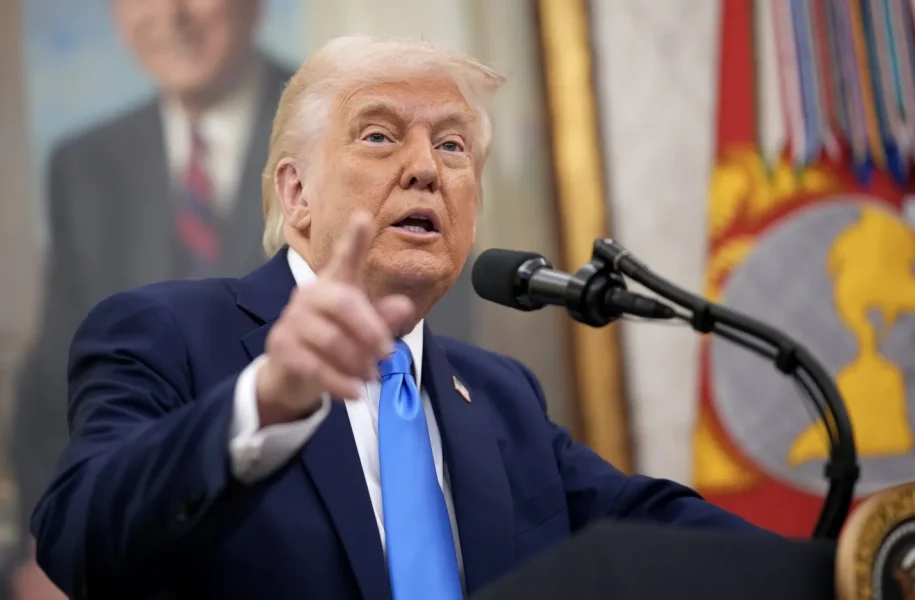
President Donald Trump said he is weighing “very powerful alternatives” to impose additional tariffs, even after the Supreme Court curtailed his use of a 1977 emergency powers statute to levy sweeping duties on trading partners.
Key Takeaways:
- Trump says alternative trade statutes could support new tariffs.
- He cited Section 232 and Section 301 as possible legal pathways.
- The president announced a new 10% global tariff.
- Additional Section 301 investigations are being launched.
- Turning to Section 232 and 301
Speaking after the ruling, Trump framed the decision as a temporary obstacle rather than a policy reversal, arguing that other trade authorities could allow the administration to pursue similar — or broader — tariff measures.
“We have alternatives,” Trump said. “We could take in more money, and be a lot stronger for it.”
Trump specifically referenced Section 232 of the Trade Expansion Act of 1962 and Section 301 of the Trade Act of 1974 as potential tools for renewed tariff action.
Section 232 allows the president to impose tariffs on national security grounds, a mechanism previously used to target steel and aluminum imports. Section 301 authorizes duties in response to what the administration deems unfair trade practices by foreign governments.
While the Supreme Court decision limited the scope of emergency economic powers under the International Emergency Economic Powers Act, these alternative statutes provide more established legal frameworks for targeted tariffs.
Trump indicated that he may now rely more aggressively on those provisions. “I was very modest in my ask of other countries,” he said, suggesting that future measures could be broader in scale.
Political Reaction and Economic Impact
The president praised conservative justices Brett Kavanaugh, Clarence Thomas and Samuel Alito for dissenting from the majority opinion, calling their views “strength and wisdom.” He sharply criticized the Court’s liberal members, calling the ruling “a disgrace to our nation.”
Trump also claimed that U.S. economic rivals were “ecstatic” over the decision, arguing that foreign governments would not benefit for long.
In parallel, the administration announced a new 10% “global tariff” applied on top of existing duties, along with multiple Section 301 investigations into alleged unfair trading practices.
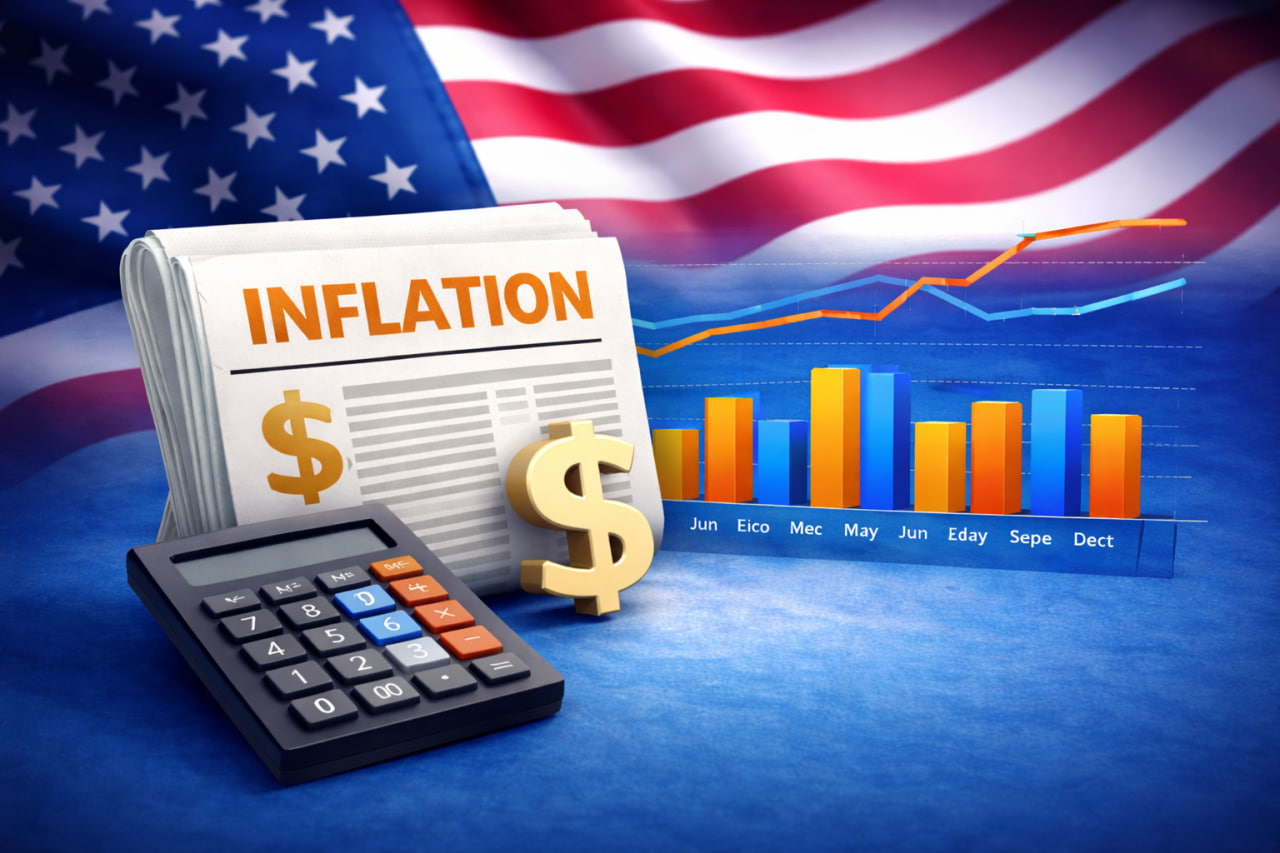
The renewed tariff push adds uncertainty to global trade flows at a time when markets are already navigating geopolitical tension and shifting monetary policy expectations. While the legal pathway may differ, the economic implications could mirror earlier tariff waves — including higher input costs, supply chain adjustments and potential retaliatory measures.
For investors and multinational firms, the message is clear: the legal battle over tariffs may be shifting forums, but the policy trajectory toward tougher trade measures remains firmly intact.
The information provided in this article is for educational purposes only and does not constitute financial, investment, or trading advice. Coindoo.com does not endorse or recommend any specific investment strategy or cryptocurrency. Always conduct your own research and consult with a licensed financial advisor before making any investment decisions.



Alex is an experienced financial journalist and cryptocurrency enthusiast. With over 8 years of experience covering the crypto, blockchain, and fintech industries, he is well-versed in the complex and ever-evolving world of digital assets. His insightful and thought-provoking articles provide readers with a clear picture of the latest developments and trends in the market. His approach allows him to break down complex ideas into accessible and in-depth content. Follow his publications to stay up to date with the most important trends and topics.