Top U.S. Banks Quietly Embrace Bitcoin as 60% Roll Out Crypto Products
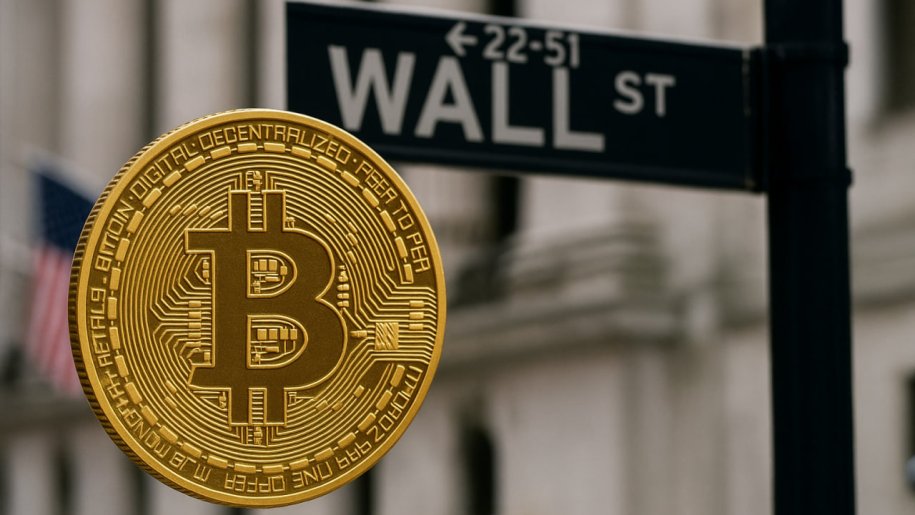
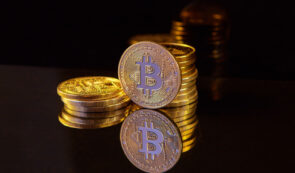
Bitcoin is no longer sitting on the fringes of the U.S. financial system. New data shows that a majority of the largest American banks now offer, support, or are actively preparing Bitcoin-related products, marking a clear shift in how traditional finance is approaching digital assets.
Roughly 60% of the top 25 banks in the United States have some form of Bitcoin exposure, ranging from trading access and rewards programs to custody services aimed at wealthy clients. While full retail access remains limited, the direction of travel is becoming harder to ignore.
Key Takeaways
- Around 60% of the largest U.S. banks now offer or are preparing Bitcoin-related services
- Adoption is concentrated among high-net-worth and institutional clients, not retail users
- Most banks are moving cautiously, favoring limited access and partnerships
- Bitcoin’s integration into traditional banking is gradual, but increasingly structural
Subtle, cautious, but unmistakable progress
Most large banks are still taking a careful approach. Direct custody is rare, and where it exists, it is often restricted to high-net-worth clients or institutional customers. Trading access is more common, though frequently limited, announced but not yet live, or routed through partnerships rather than in-house platforms.
This cautious rollout reflects lingering regulatory uncertainty and risk management concerns. Instead of rushing into full-scale crypto services, banks appear to be testing demand, infrastructure, and compliance frameworks before expanding access to a broader customer base.
High-net-worth clients lead the way
One clear pattern stands out: Bitcoin adoption inside banks is being led from the top down. Wealth management divisions are often the first to offer exposure, either through structured products, limited trading access, or exploratory custody services. For banks, this reduces reputational and operational risk while still meeting client demand.
In parallel, some institutions are experimenting with lighter-touch offerings such as Bitcoin-linked rewards cards or exchange integrations, signaling interest without committing to full custody or balance sheet exposure.
What this means for Bitcoin’s role in finance
The growing presence of Bitcoin across major U.S. banks suggests the asset is steadily transitioning from an outsider investment to a recognized part of the financial landscape. Even when labeled as “exploring” or “announced,” these initiatives indicate internal commitment, budget allocation, and long-term planning.
Rather than a sudden embrace, this looks like a slow institutional normalization. Banks are positioning themselves so they are not left behind if client demand accelerates or regulatory clarity improves.
The information provided in this article is for educational purposes only and does not constitute financial, investment, or trading advice. Coindoo.com does not endorse or recommend any specific investment strategy or cryptocurrency. Always conduct your own research and consult with a licensed financial advisor before making any investment decisions.



Alexander Zdravkov is a market analyst and crypto journalist with interests in economics, broader financial markets and digital assets. His journey into crypto began more than four years ago, driven by a fascination with the rapid evolution of blockchain technology and the transformative potential of decentralized finance. He began analyzing market cycles and identifying emerging trends before they reach the mainstream. He holds a degree in International Relations - a background that helped shape his broader perspective on global economics, geopolitics, and the interconnected nature of modern financial markets. Whether covering the latest developments in the crypto sector or exploring broader macroeconomic themes, Alexander focuses on giving readers context rather than simply repeating headlines. During his career, he has authored more than 10,000 articles covering cryptocurrencies, traditional finance, and global market developments. His work spans everything from Bitcoin and altcoins to macroeconomic trends influencing risk assets worldwide.