Inflation vs Recession Fears – Fed Leaders Can’t Agree on the Next Move
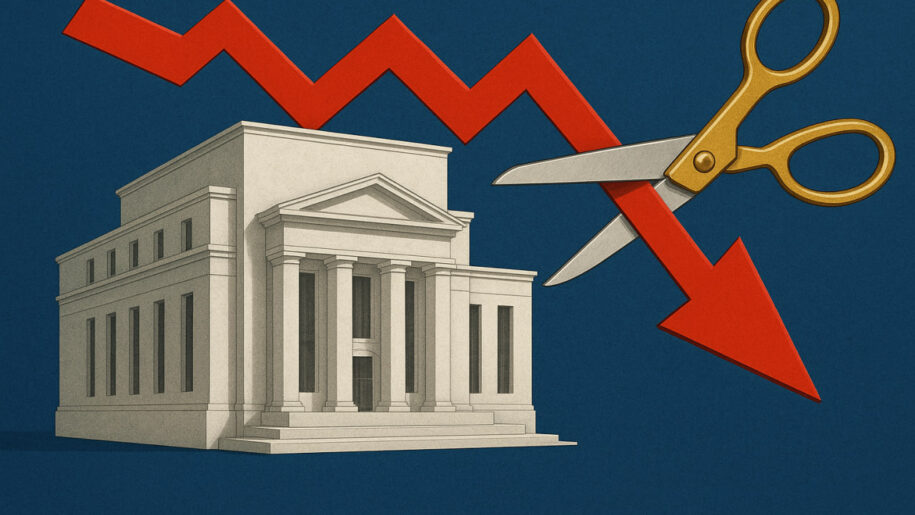
The countdown to the Federal Reserve’s final policy meeting of the year has exposed an unusually sharp divide within the institution.
What would normally be a technical debate about data has shifted into a philosophical clash over how aggressively the Fed should respond to a slowing economy — and how much risk inflation still poses.
On one side is Lorie Logan, who has made it clear she will not support another rate cut in December. After already opposing the cut in October, Logan is standing her ground, arguing that easing too quickly could trigger a resurgence of inflation before it has been fully contained.
To her, the numbers still look dangerous. She cautions that price growth remains above target and insists the path downward has not been fast enough to justify another step in the dovish direction. Unless inflation suddenly cools far more rapidly than expected — or the labor market drops significantly — she sees no justification for further rate reductions.
The other camp is represented by Stephen Miran, who has interpreted the same data in the opposite way. To him, every major economic release since September has supported the case for a more accommodative stance. Inflation has eased faster than anticipated, hiring momentum has weakened, and consumer demand appears to be losing steam.
Miran argues that maintaining a cautious, tight policy at this stage risks tightening financial conditions just as the economy begins to lose balance. From his perspective, the evidence does not call for restraint — it calls for follow-through.

This divergence has turned the December decision into one of the most uncertain Fed moments of the year. The disagreement is not simply about whether inflation has fallen enough, but about how much the Fed should prioritize protecting the labor market while price stability continues to improve. Logan is focused on the danger of cutting too soon. Miran is focused on the danger of cutting too late.
The split inside the Fed is already affecting financial markets. Traders who once treated a December cut as a near-certainty are now reassessing probabilities as internal resistance becomes more public. Investors waiting for clarity may not receive it until the final hours of the meeting — because both factions believe the data supports their stance.
The policy shift that once looked straightforward is now shaping up to be a referendum on how the Fed interprets risk: fear of inflation’s return versus fear of cooling the economy too aggressively.
The information provided in this article is for educational purposes only and does not constitute financial, investment, or trading advice. Coindoo.com does not endorse or recommend any specific investment strategy or cryptocurrency. Always conduct your own research and consult with a licensed financial advisor before making any investment decisions.



Alex is an experienced financial journalist and cryptocurrency enthusiast. With over 8 years of experience covering the crypto, blockchain, and fintech industries, he is well-versed in the complex and ever-evolving world of digital assets. His insightful and thought-provoking articles provide readers with a clear picture of the latest developments and trends in the market. His approach allows him to break down complex ideas into accessible and in-depth content. Follow his publications to stay up to date with the most important trends and topics.