Fed Officials Warn Against Prolonged Tight Policy as U.S. Demand Cools
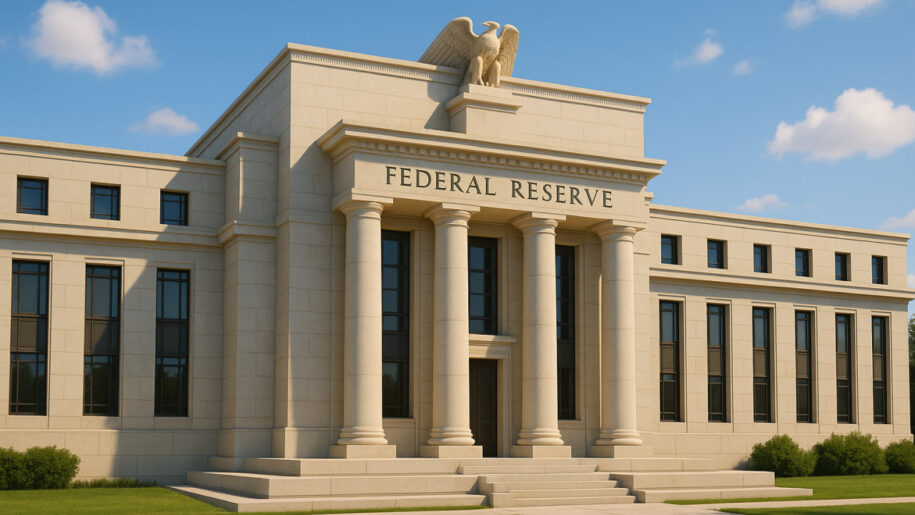
A year ago, the Federal Reserve’s Mary Daly was still defending high interest rates as essential to curbing inflation. Now, the San Francisco Fed president is sounding a different note: the danger, she says, may lie in doing too much rather than too little.
Key Takeaways:
- Fed’s Mary Daly says demand is weakening and inflation pressures remain contained.
- Warns against keeping rates high for too long, citing risk to jobs and growth.
- Sees lessons from the 1990s as guide to avoid repeating past policy mistakes.
In a Monday appearance on Bloomberg Television, Daly said that inflation pressures are fading across key areas of the economy while demand is starting to weaken. “If we hold rates high for too long,” she cautioned, “we could end up slowing growth more than we intend.”
Cooling, Not Crashing
The argument emerging from Daly’s comments is subtle but important. Rather than declaring victory over inflation, she suggests the U.S. economy is gradually cooling — a process the Fed must now manage carefully. Wages are no longer racing ahead, hiring is softening, and households are becoming more selective in their spending.
To Daly, this mix of conditions signals a negative demand shock, where the economy begins to lose momentum without a corresponding rise in prices. That’s the opposite of what worried policymakers two years ago, when a red-hot job market and supply bottlenecks drove inflation to multi-decade highs.
Inflation, she said, remains “contained” and shows little sign of broadening into new sectors. For now, tariff-related price increases haven’t spilled over into services or rent, and longer-term inflation expectations remain stable.
Fed Policy at a Crossroads
The remarks come as the central bank approaches its final policy meeting of the year, with traders debating whether another rate cut could come as soon as December. The Fed has already trimmed borrowing costs by half a percentage point in 2025, reversing part of its earlier tightening campaign.
But Daly’s comments add nuance to the outlook. With a government shutdown having disrupted several weeks of key data releases, officials will enter their next meeting with less visibility than usual. That makes overreliance on old data particularly risky, she hinted. “Policy decisions should be guided by evidence, not fear,” she wrote earlier in a blog post.

Her message echoed through bond markets, where investors are already pricing in additional cuts for 2026 if growth continues to slow.
Lessons From History
In one of the most striking parts of her interview, Daly compared the current environment to the 1990s, when careful calibration of rates helped sustain growth without reigniting inflation. She contrasted that period with the 1970s, when policymakers waited too long to respond to price pressures — and then tightened abruptly, triggering recessions.
“We can’t be so determined not to repeat the 1970s,” she said, “that we accidentally sacrifice the potential of the 1990s.” In other words, the Fed must balance vigilance with restraint — acknowledging past mistakes without being trapped by them.
A Voice of Caution in a Divided Fed
Daly is not currently a voting member of the Federal Open Market Committee, but she will rejoin in 2027. Even so, her words often set the tone for the more pragmatic wing of the central bank. Her emphasis on flexibility suggests growing consensus that policy may now be restrictive enough to let the economy slow naturally.
Investors and analysts took her message as a sign the Fed may soon shift from fighting inflation to protecting growth. The debate has changed, and Daly’s warning captures it perfectly: sometimes, the real risk isn’t falling behind — it’s refusing to let go.
The information provided in this article is for educational purposes only and does not constitute financial, investment, or trading advice. Coindoo.com does not endorse or recommend any specific investment strategy or cryptocurrency. Always conduct your own research and consult with a licensed financial advisor before making any investment decisions.



Alexander Zdravkov is a person who always looks for the logic behind things. He has more than 3 years of experience in the crypto space, where he skillfully identifies new trends in the world of digital currencies. Whether providing in-depth analysis or daily reports on all topics, his deep understanding and enthusiasm for what he does make him a valuable member of the team.